
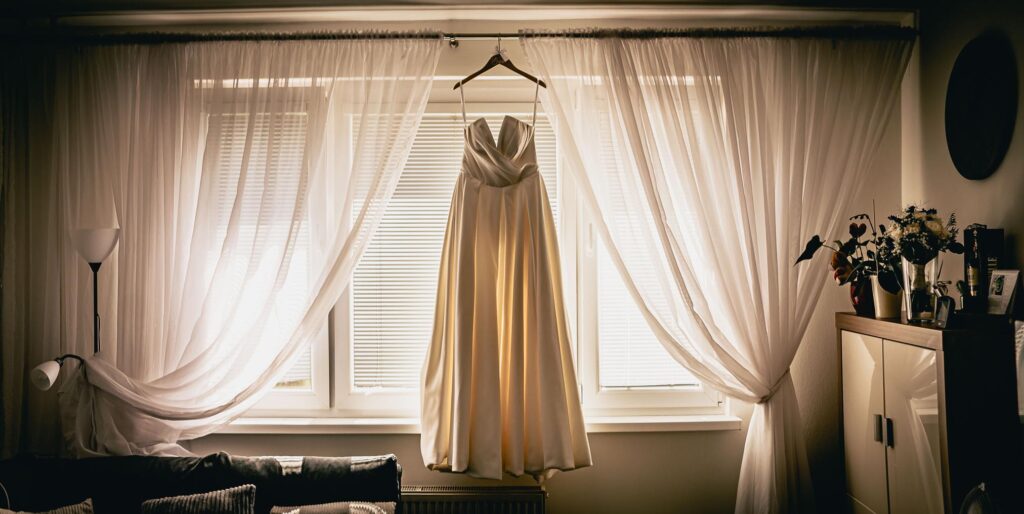
A few months ago I became a happy owner of a Sirui Astra 50mm T1.8 lens.
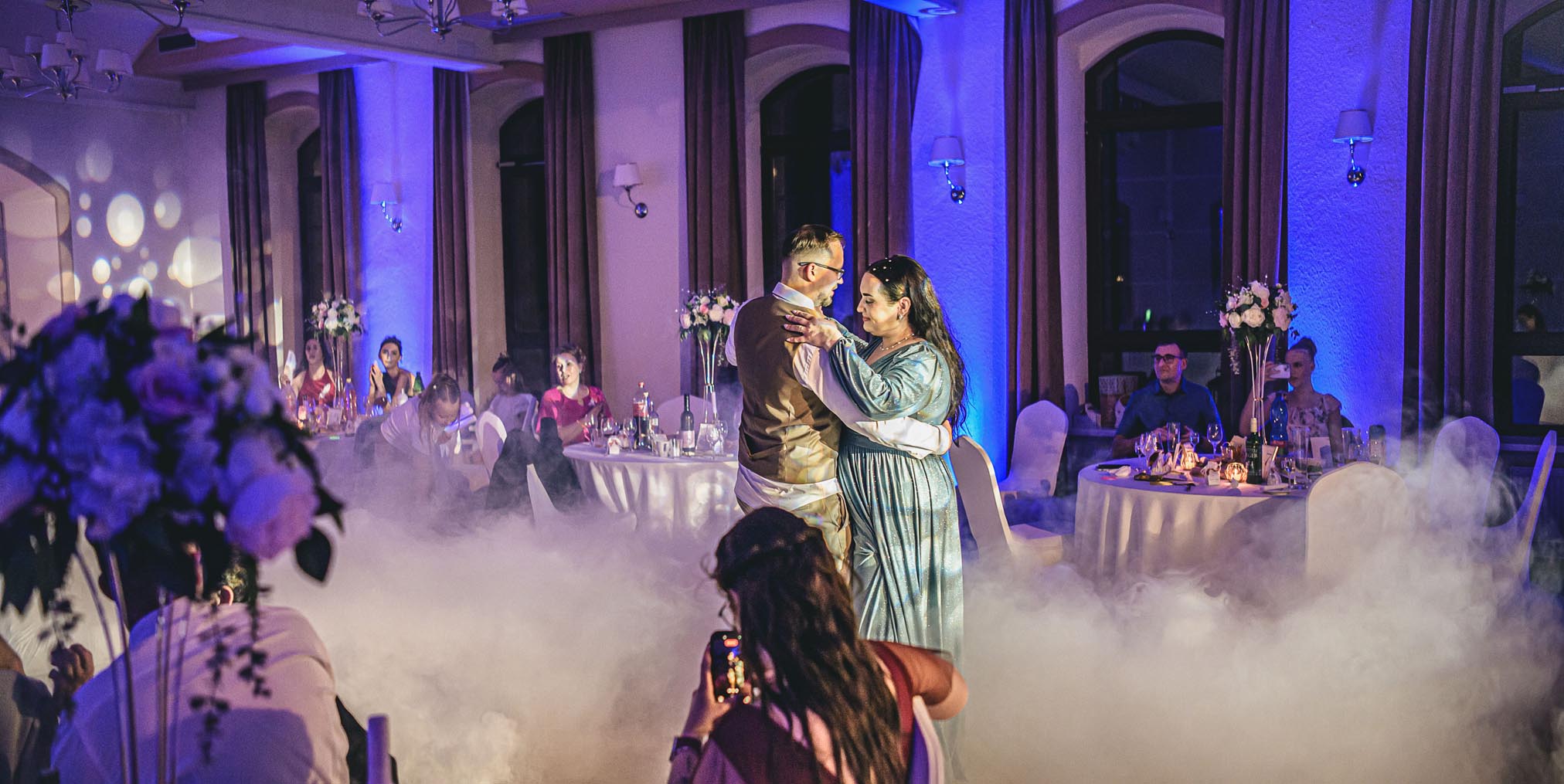
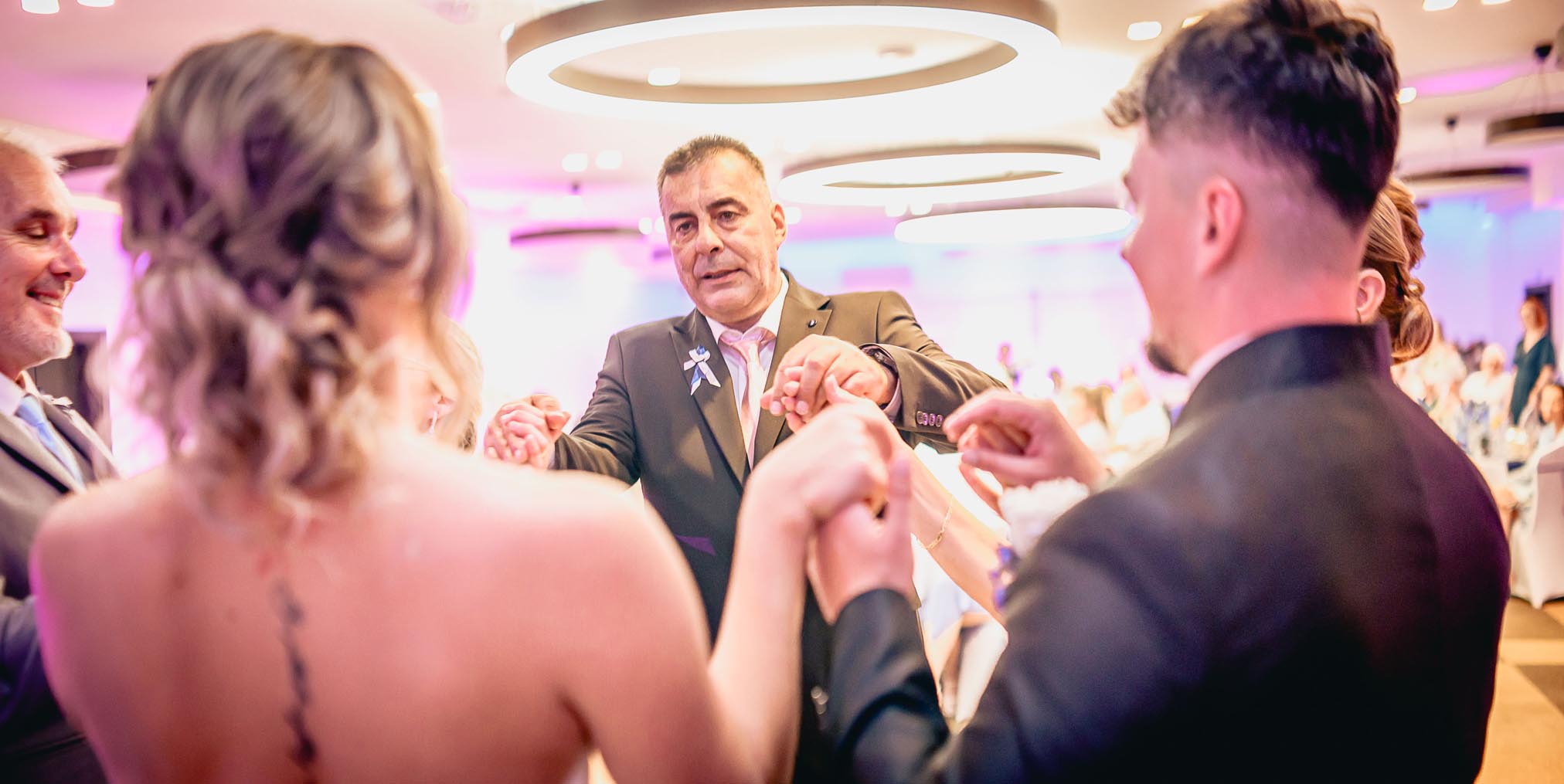
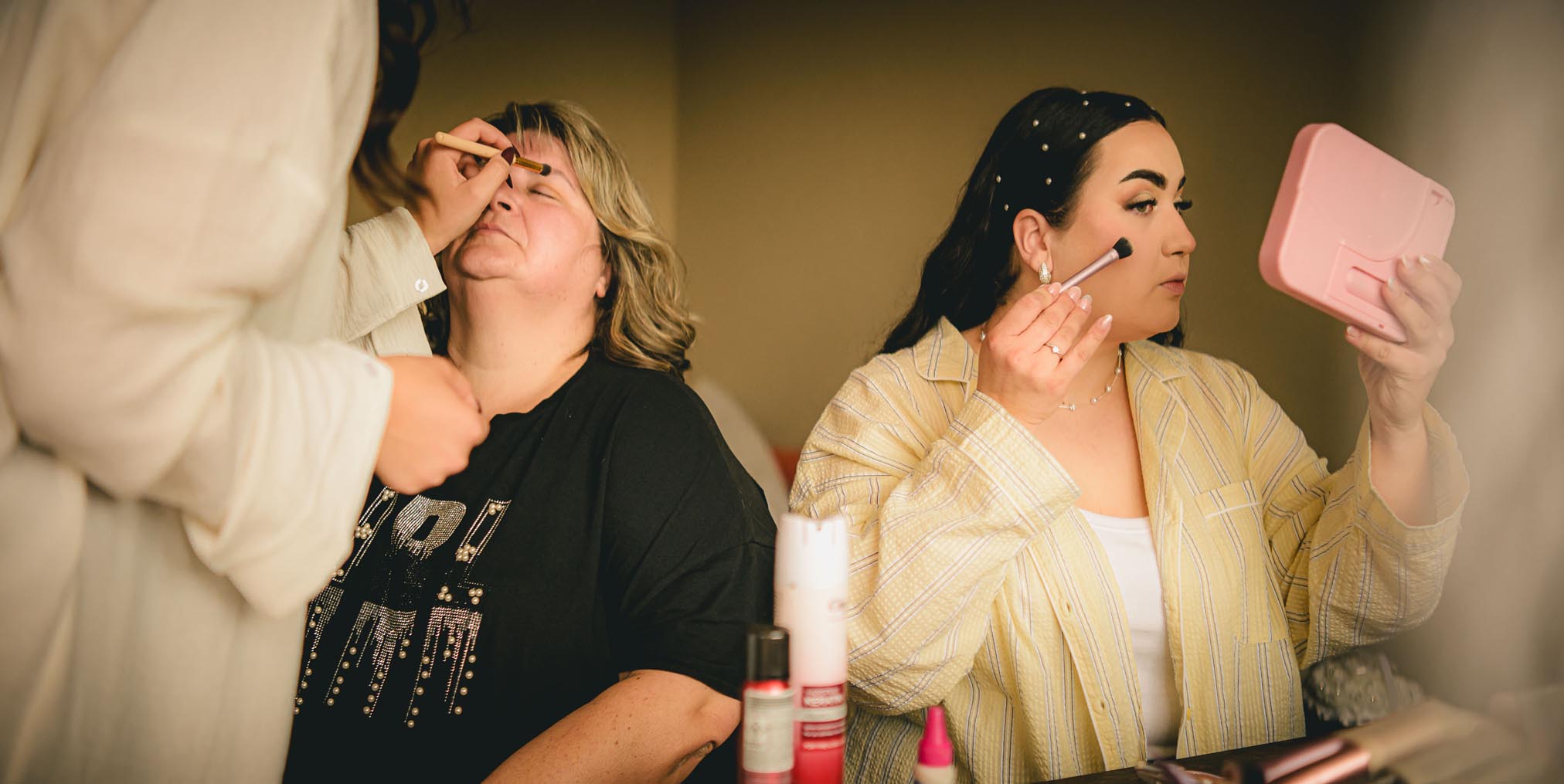
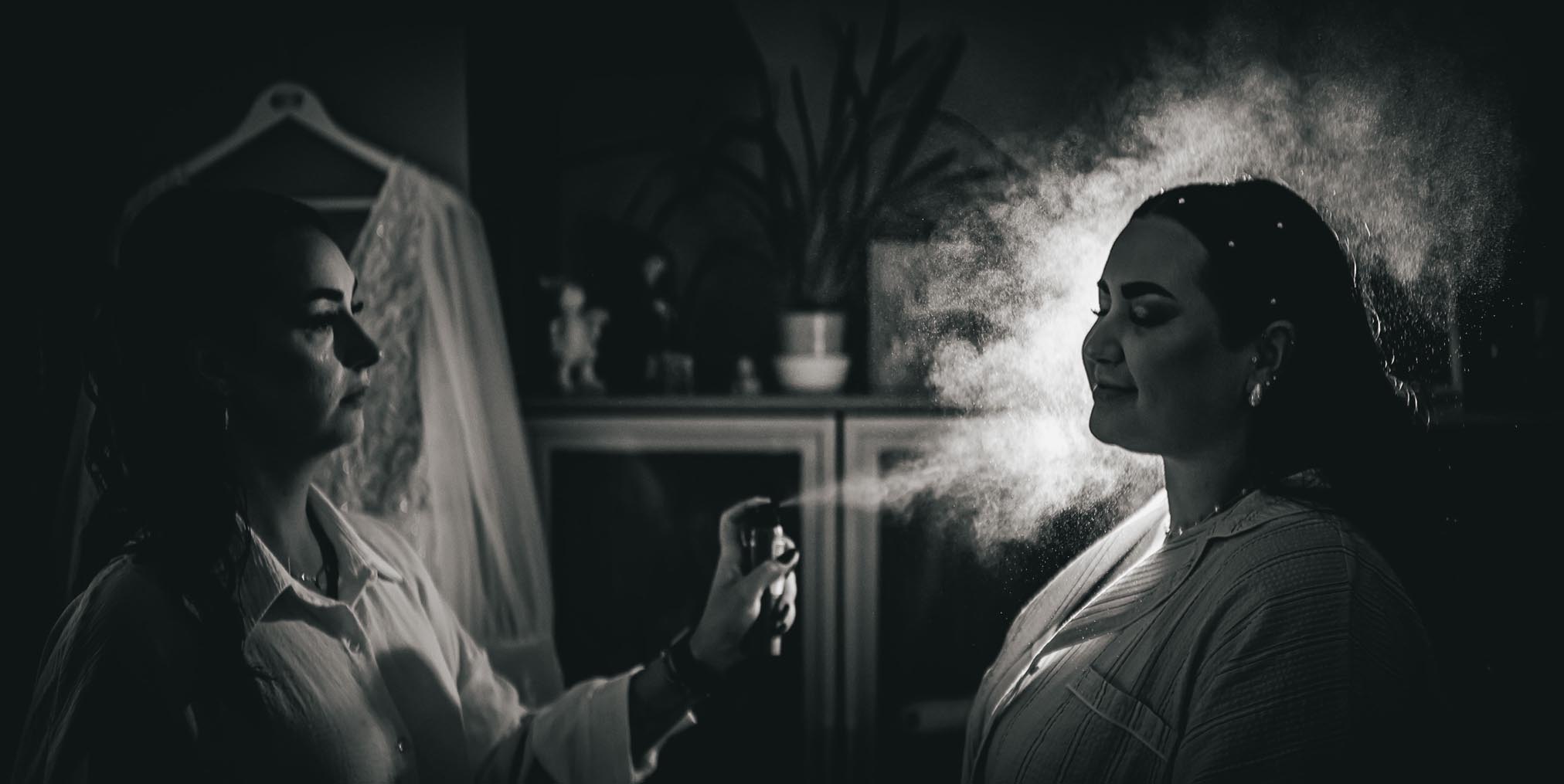
In my nearly 30-year photography career (don’t think about big things, I am just a simple country “do-it-all” photographer), I practically saw the world in 3:2 aspect ratio. I went through a big part of the Nikon palette starting from FM2 and finishing now with my Z8 / Z6 III / Zfc combo. The photos I put here are made with Z6 III, but tthe lens behaves basically the same on all three bodies.
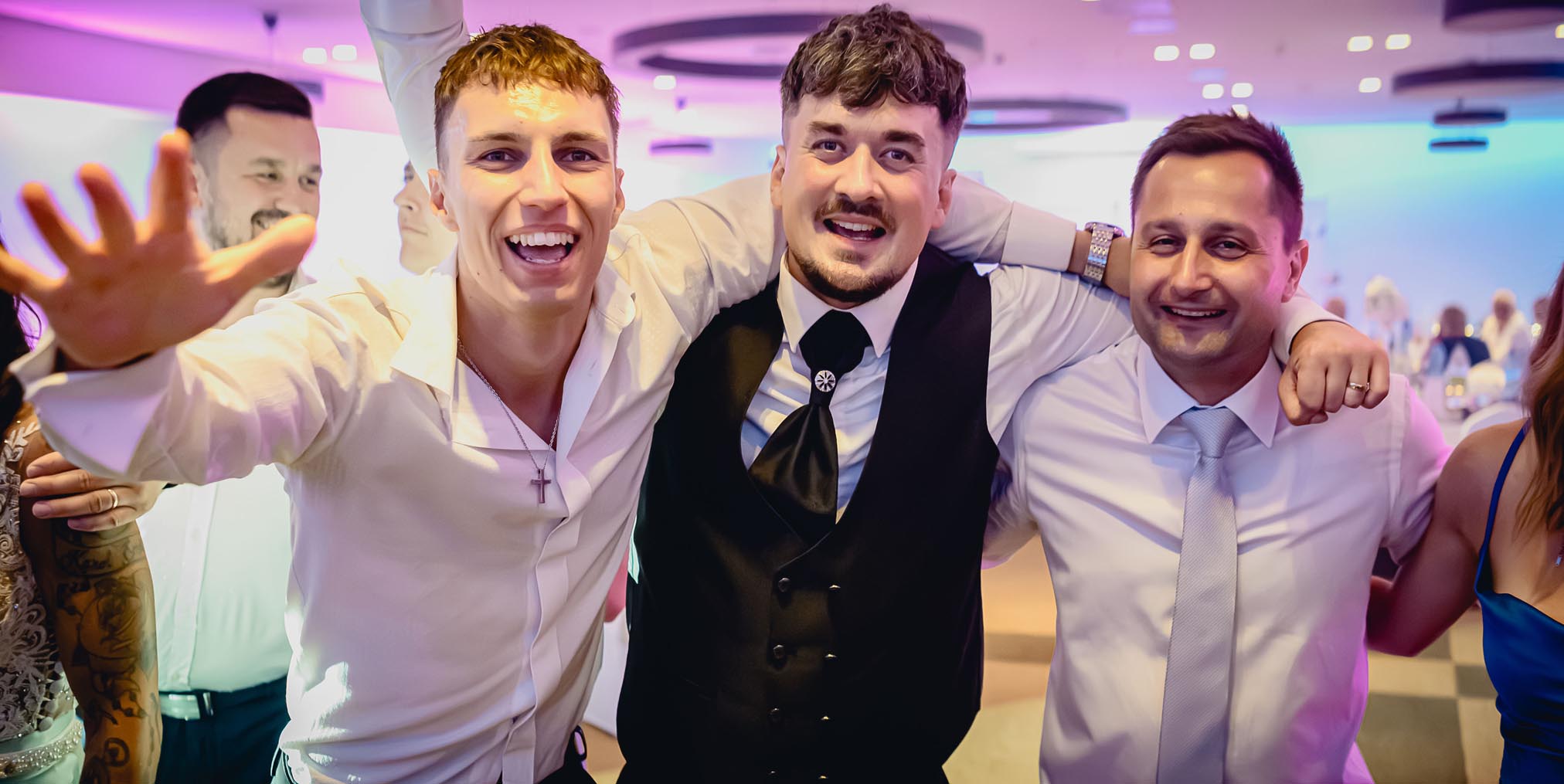
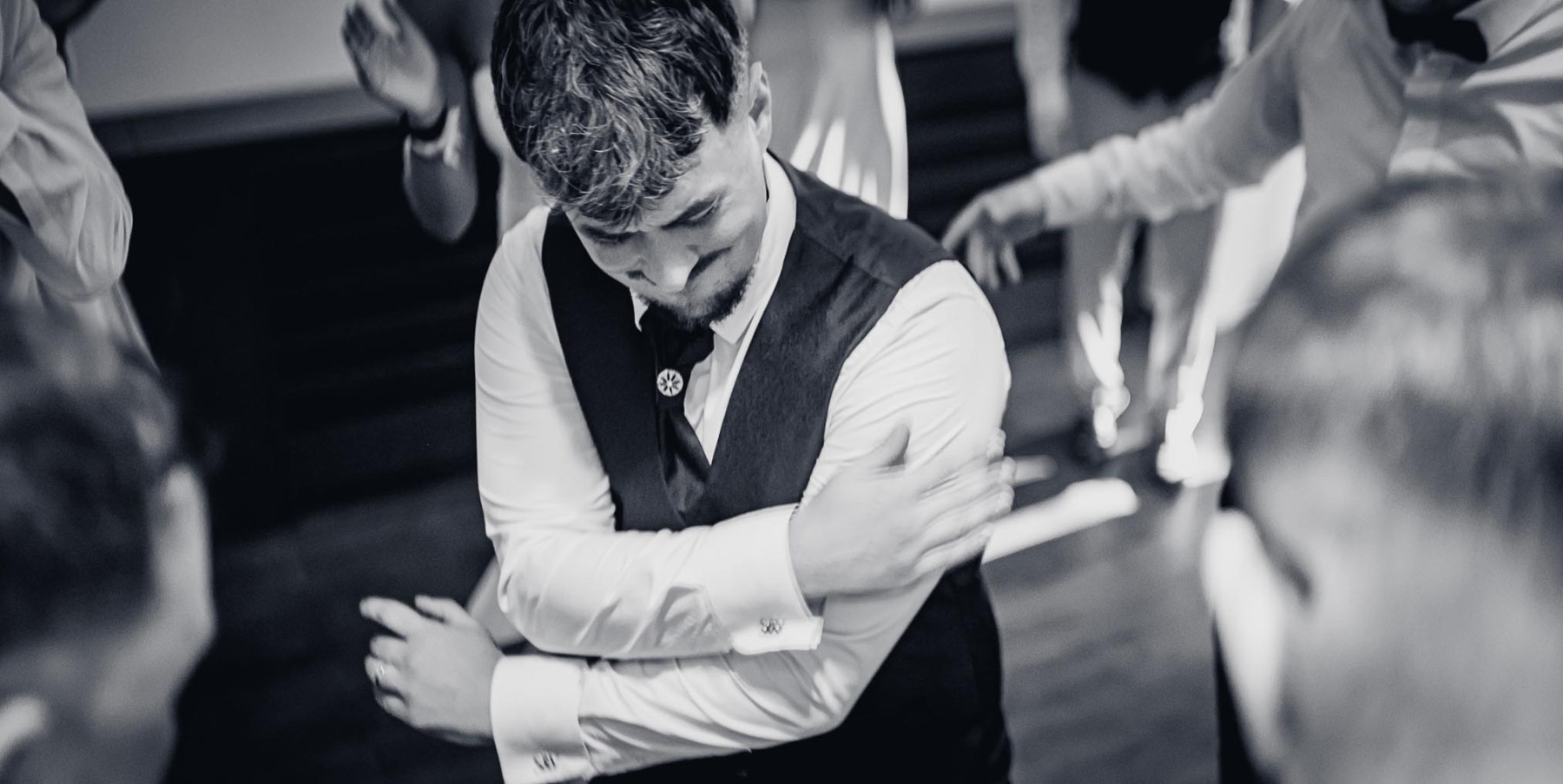
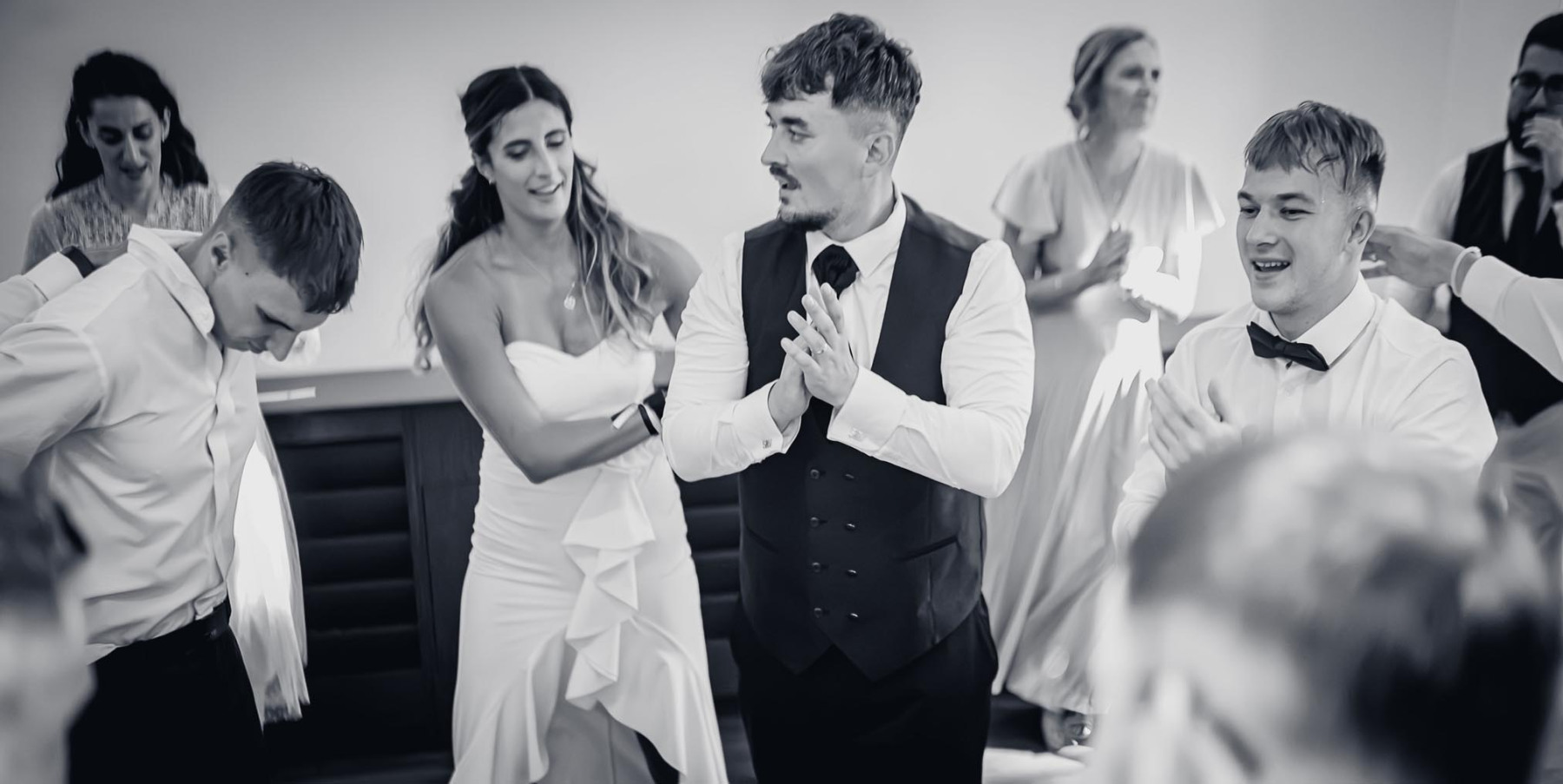
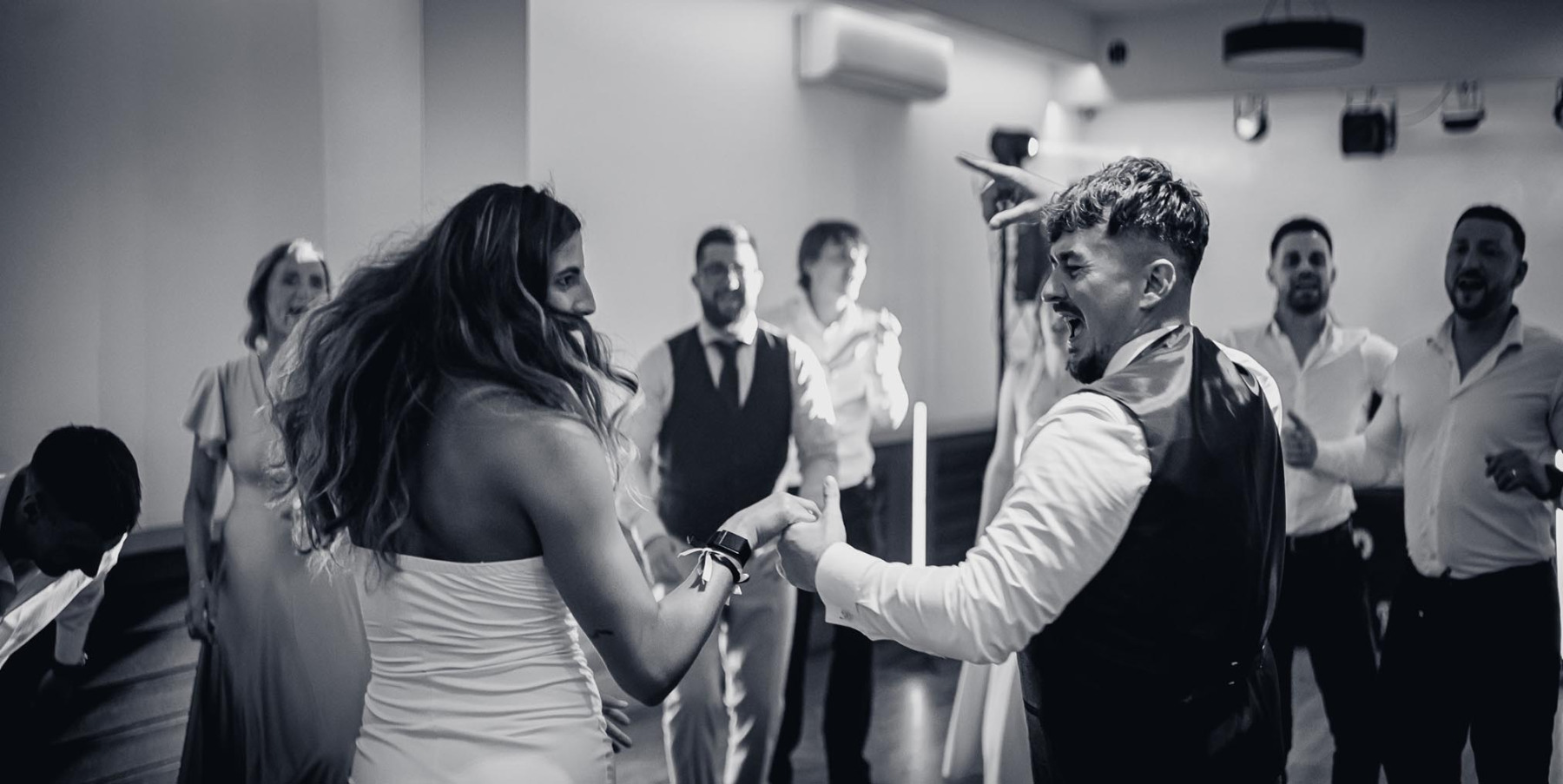
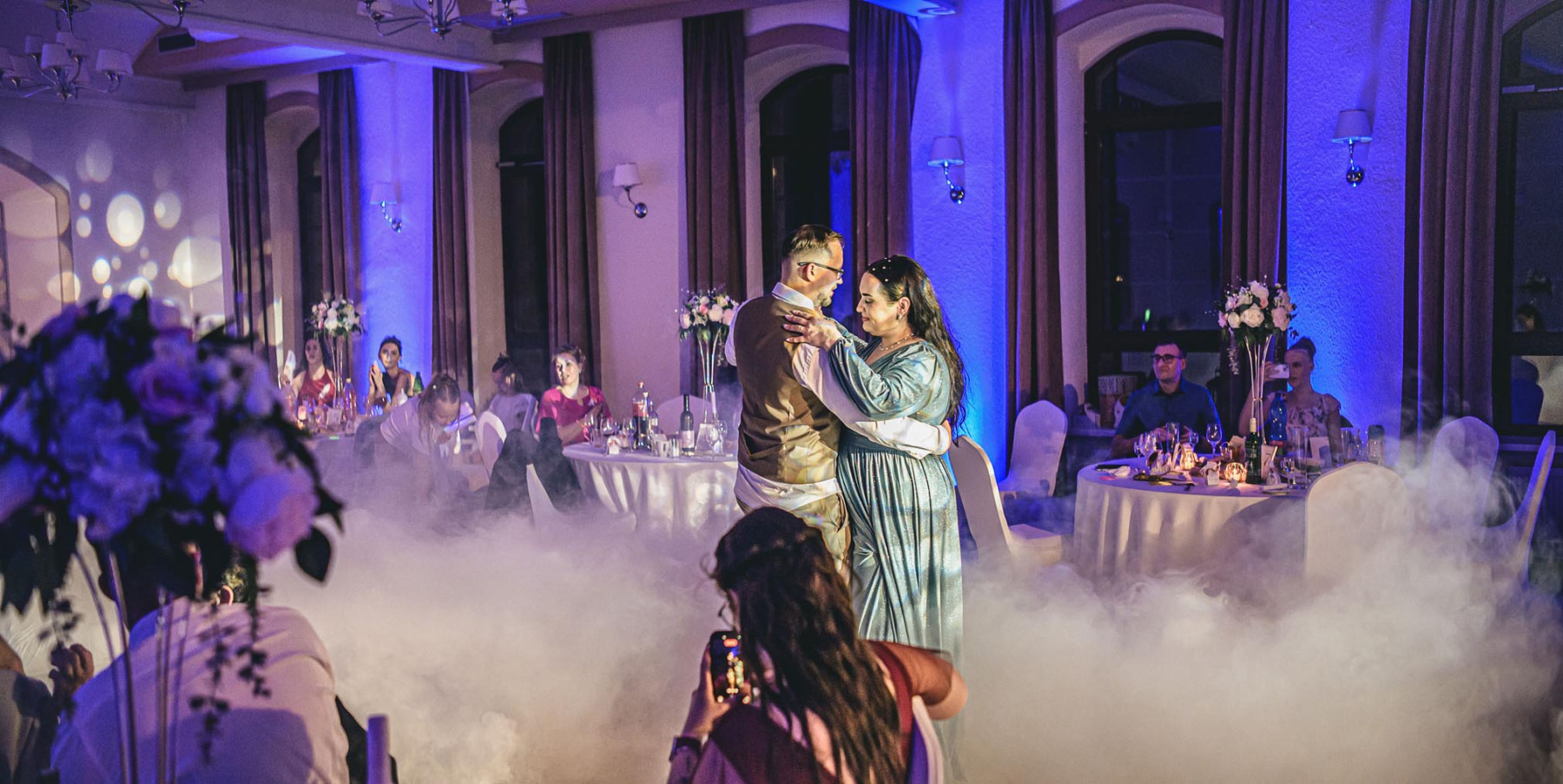
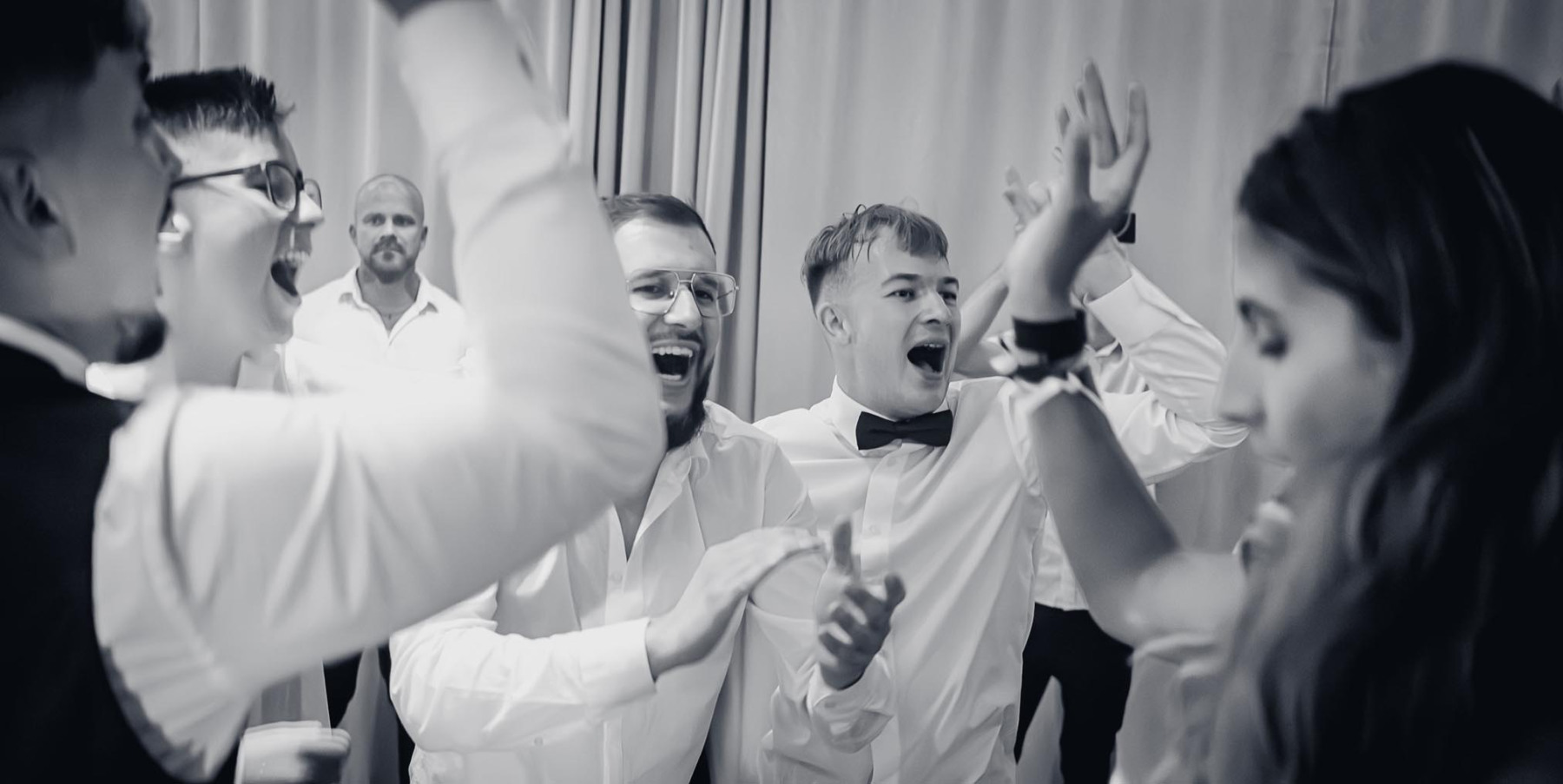
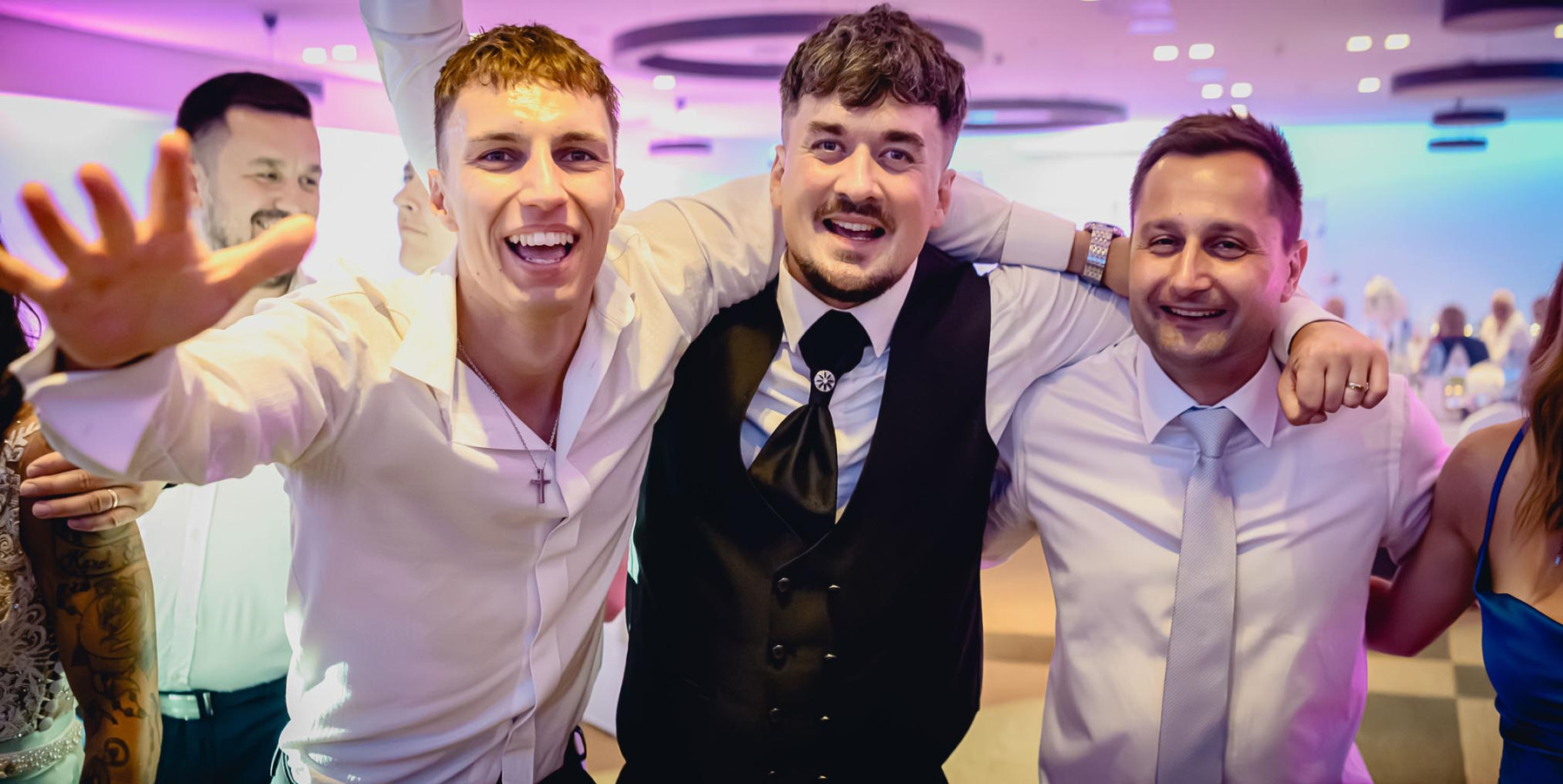
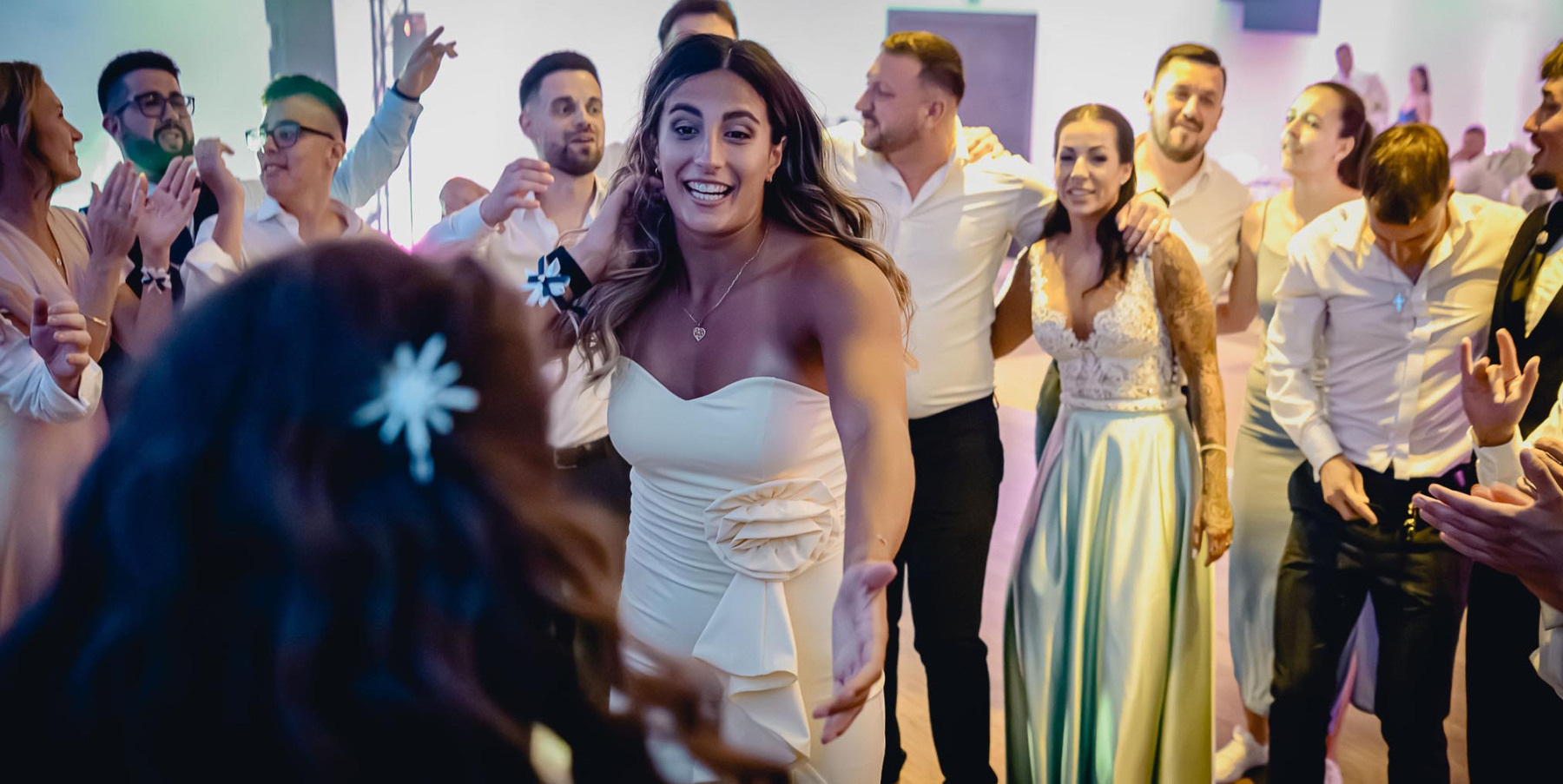
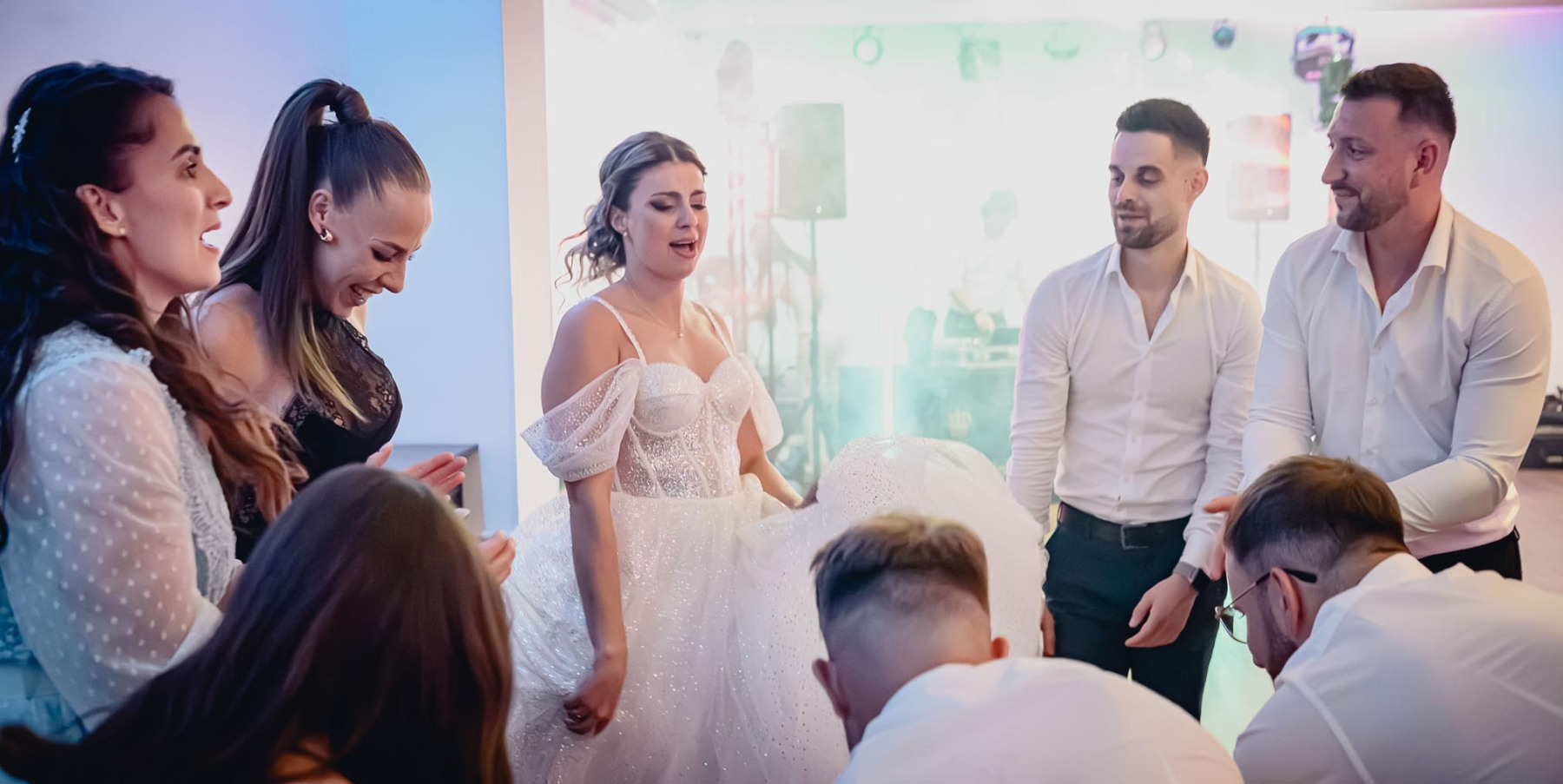
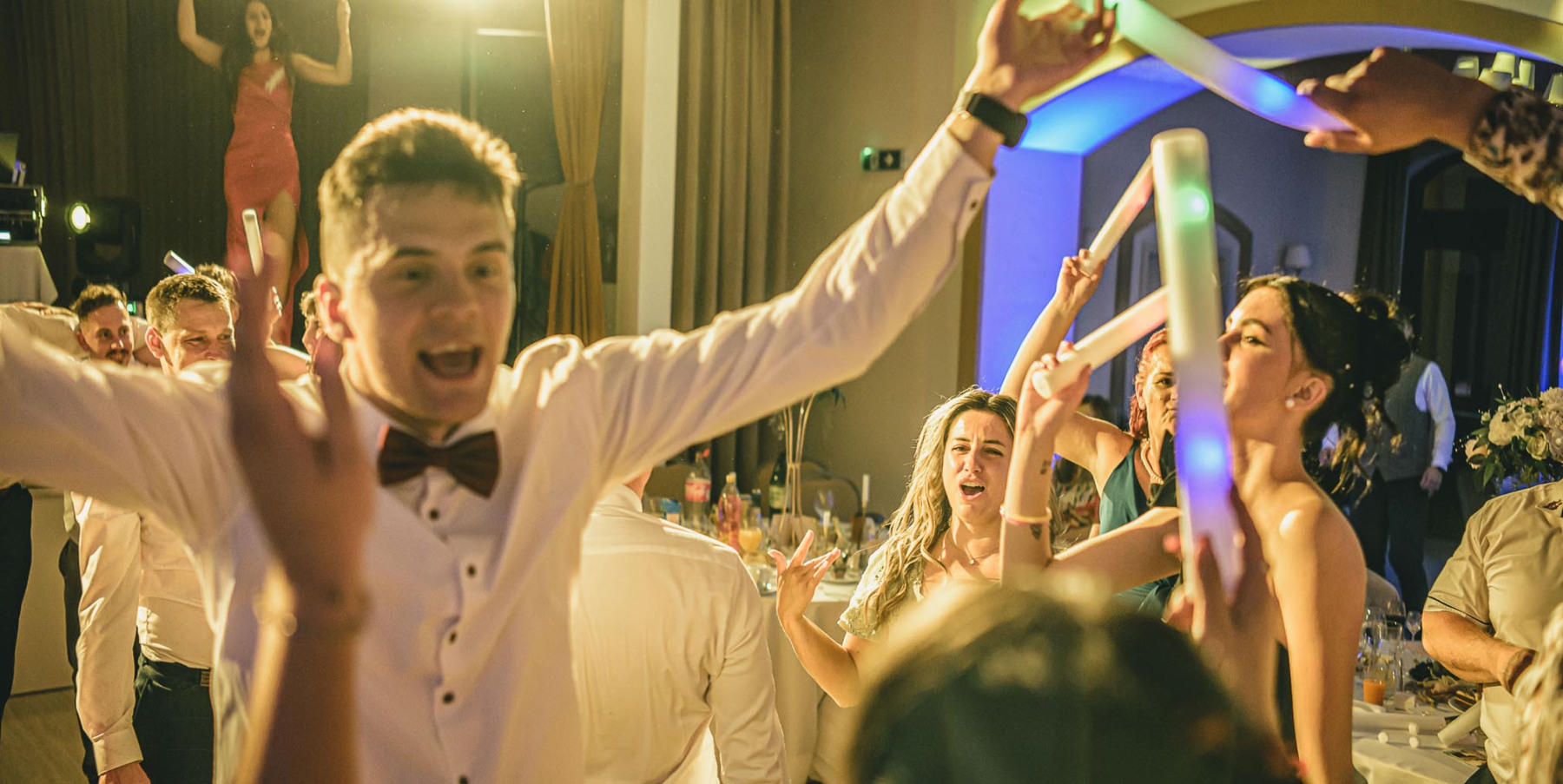
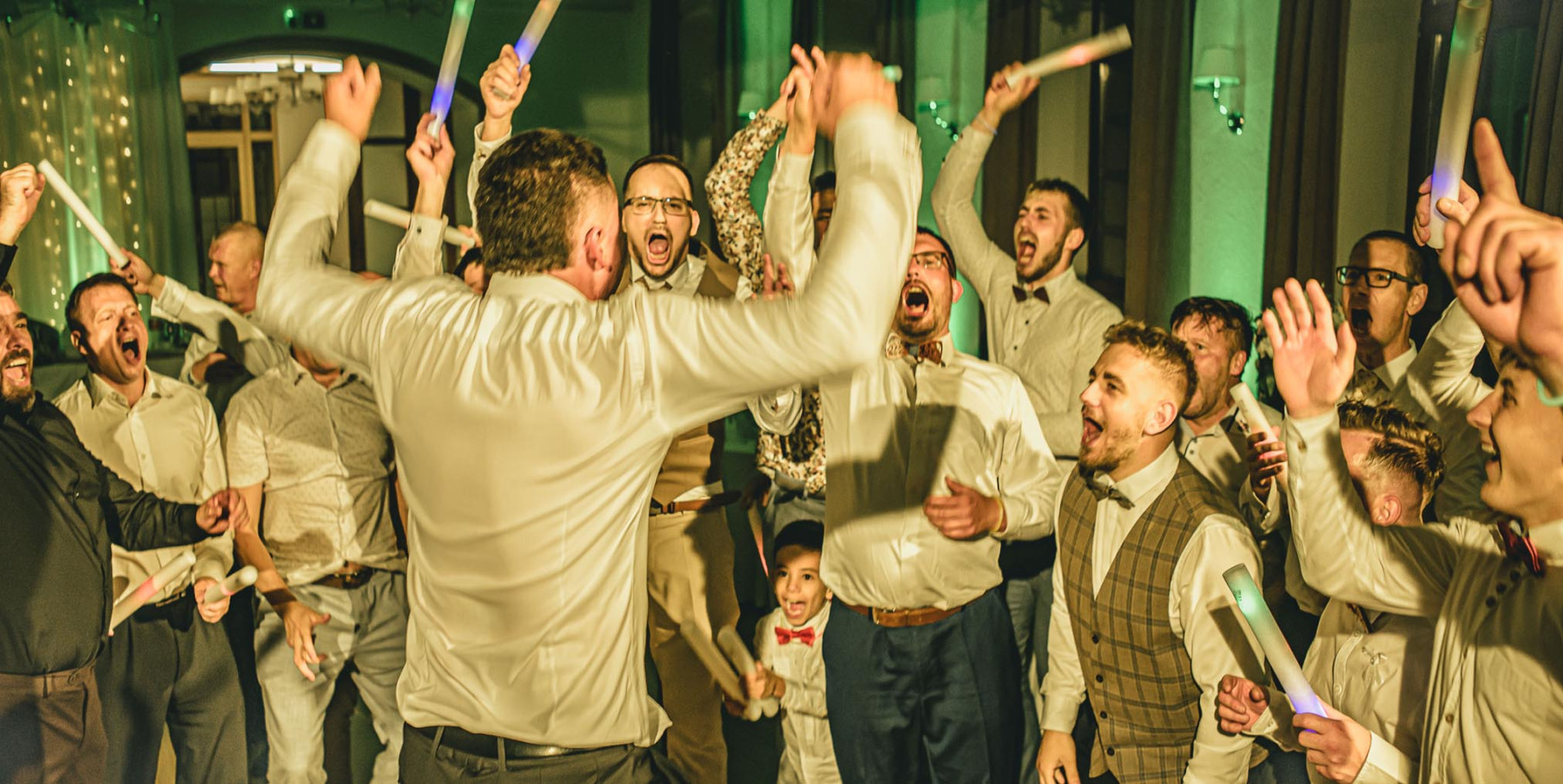
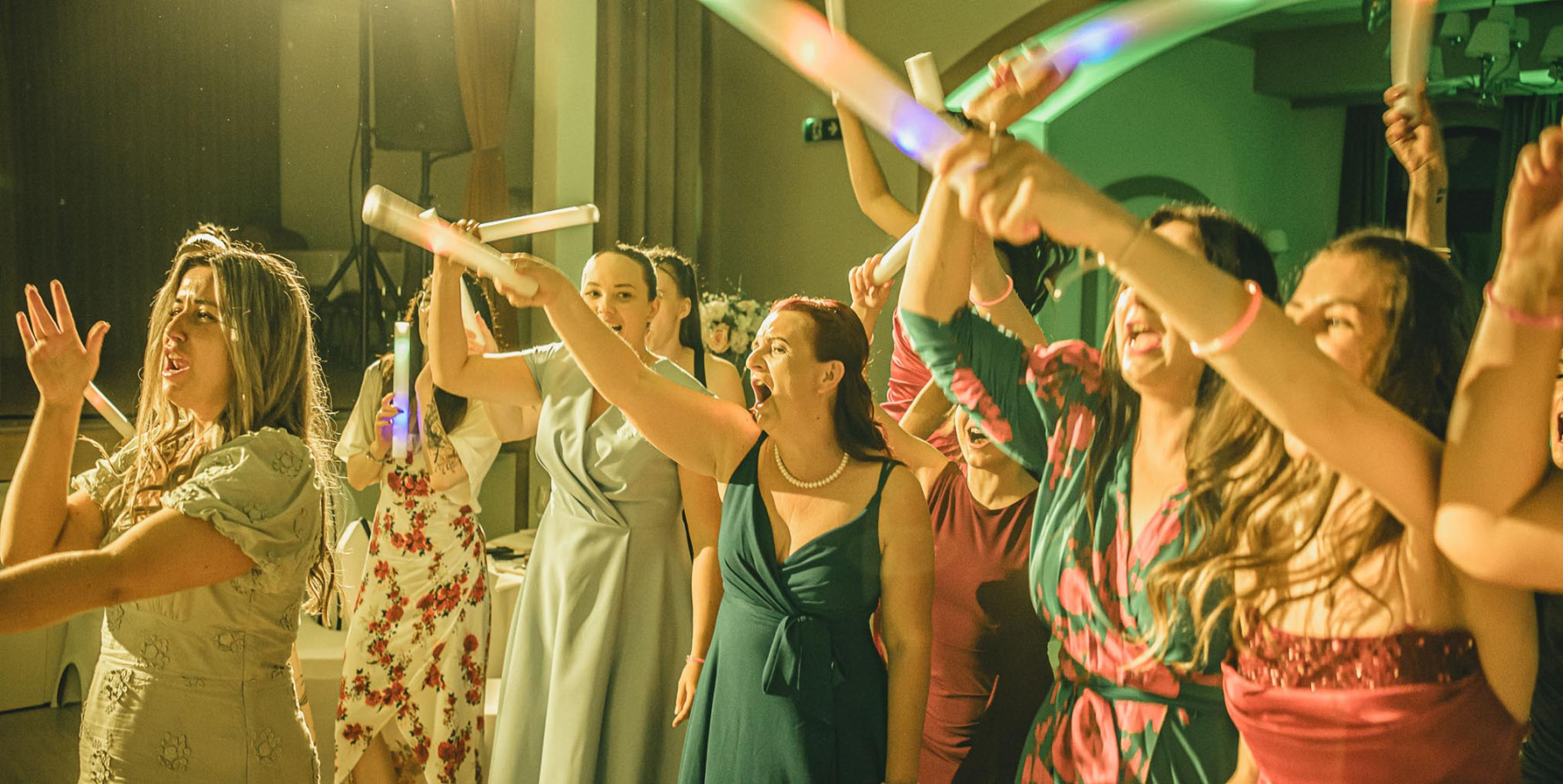
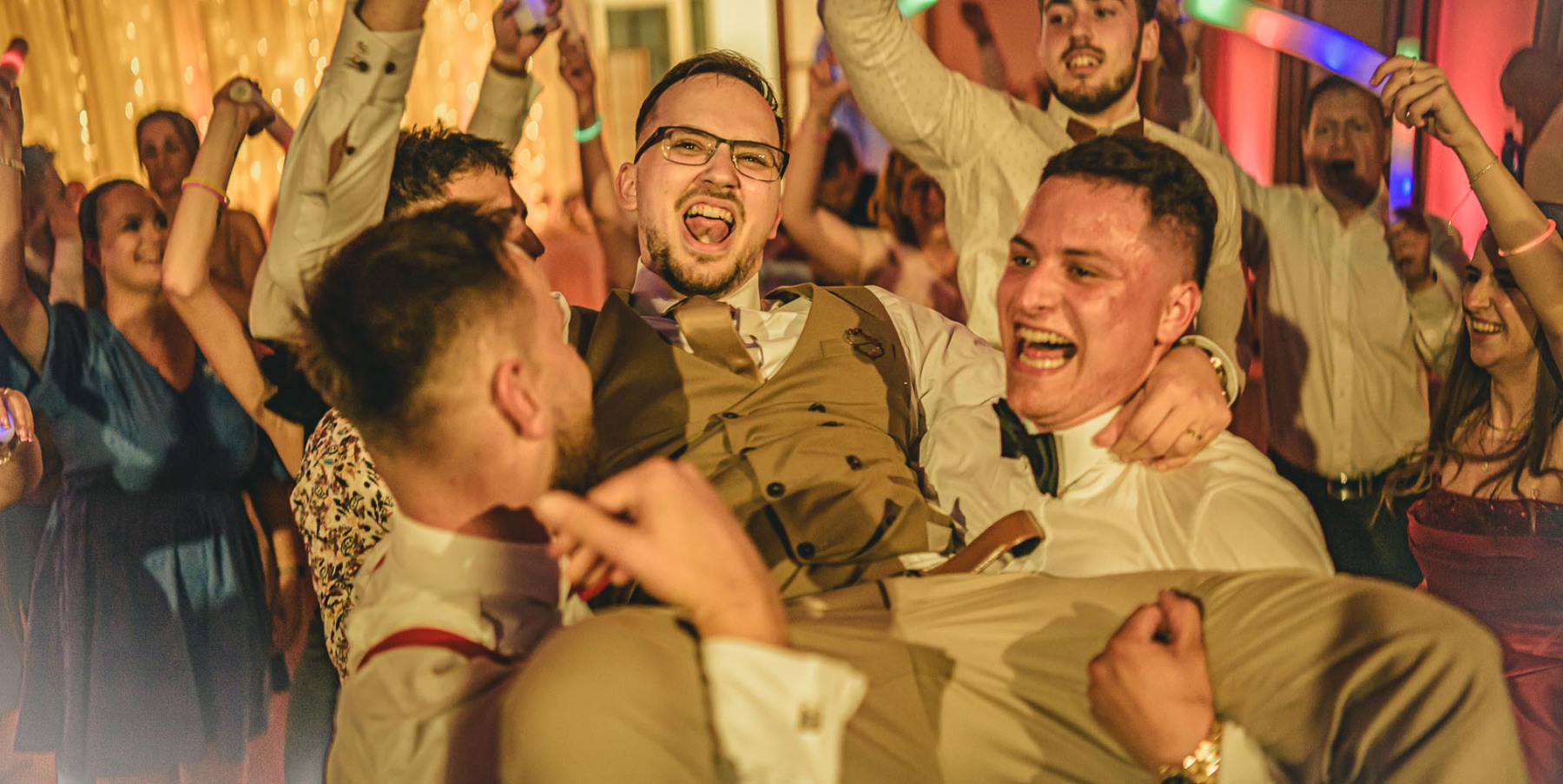
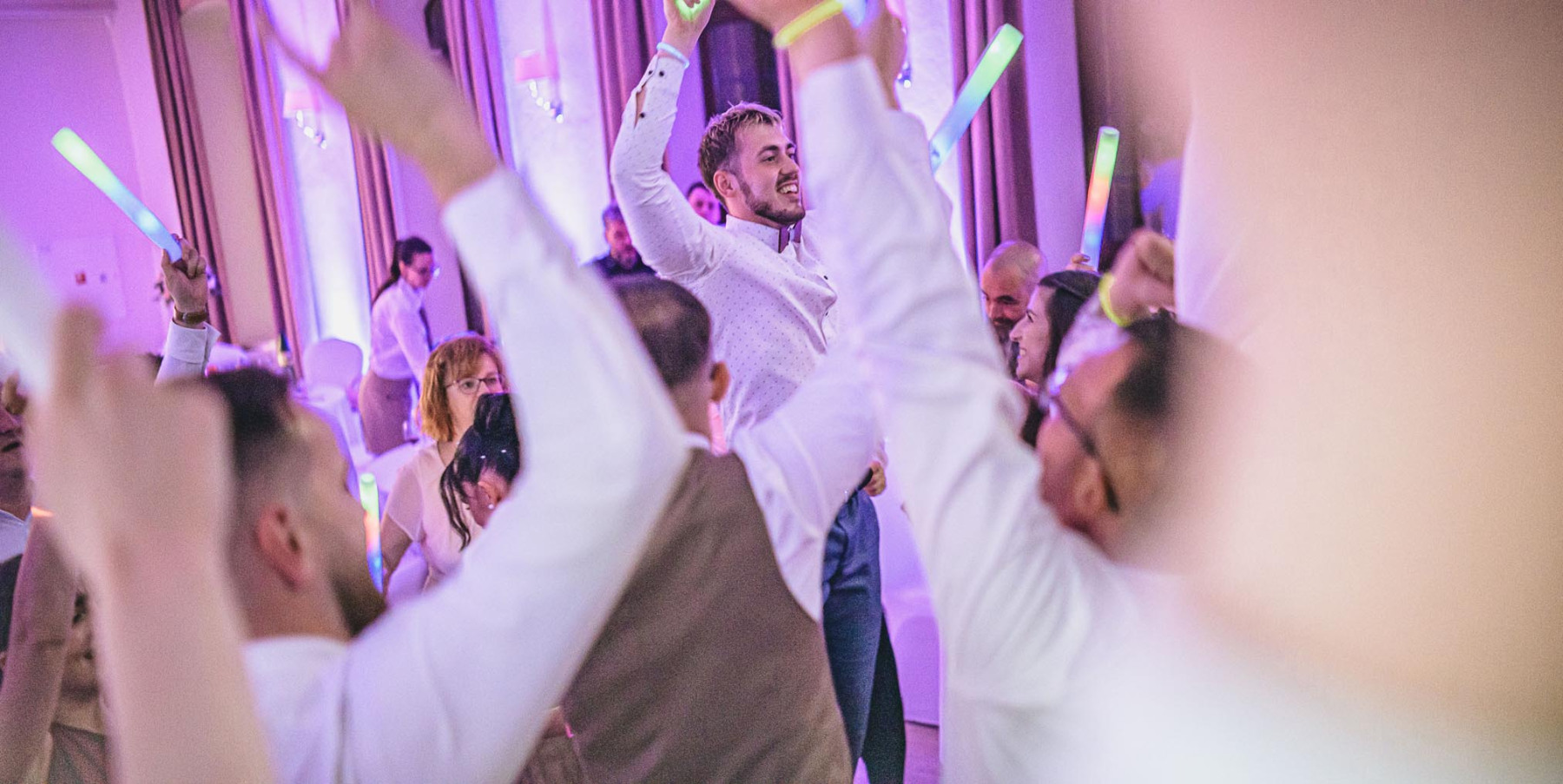
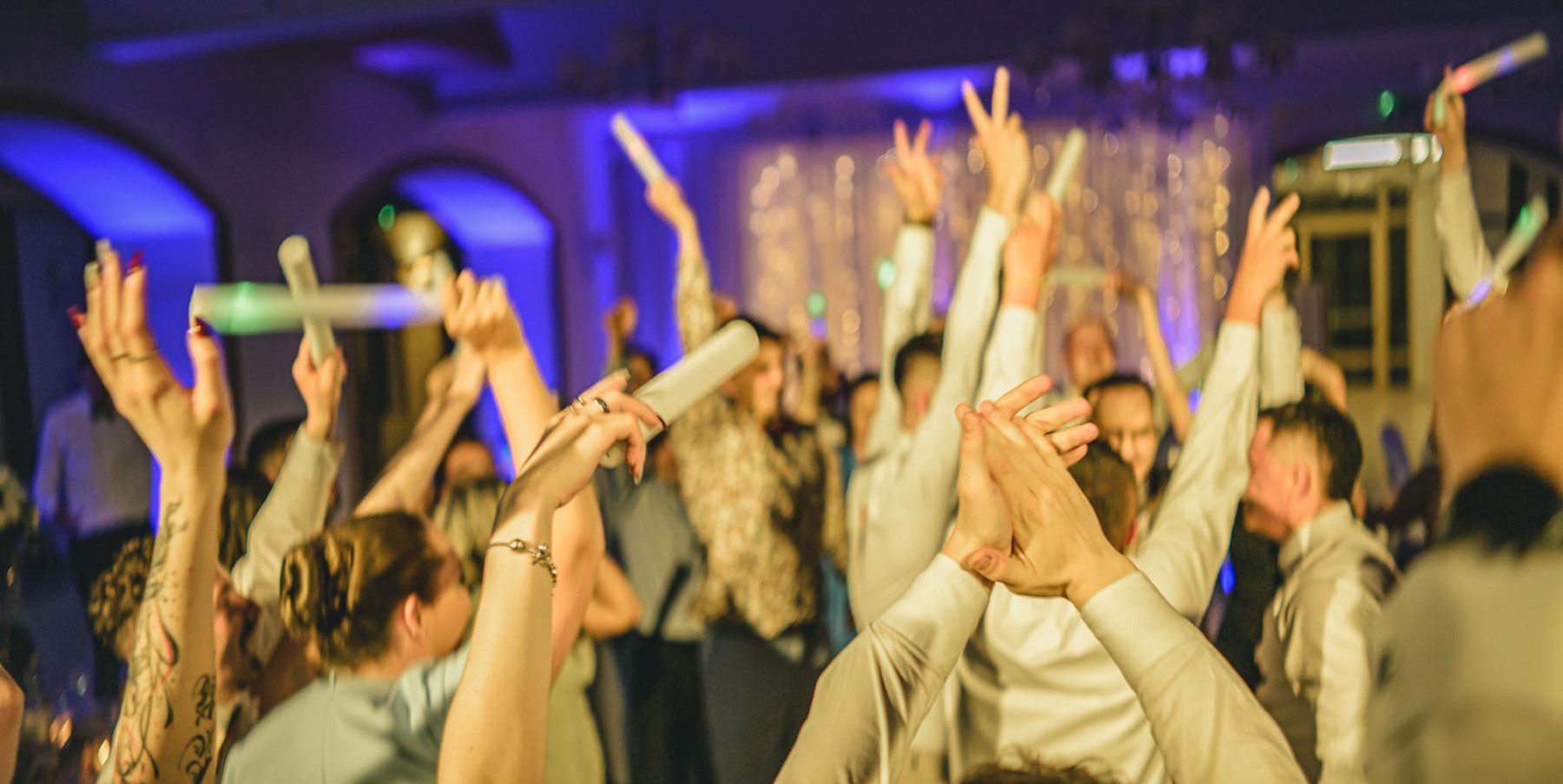
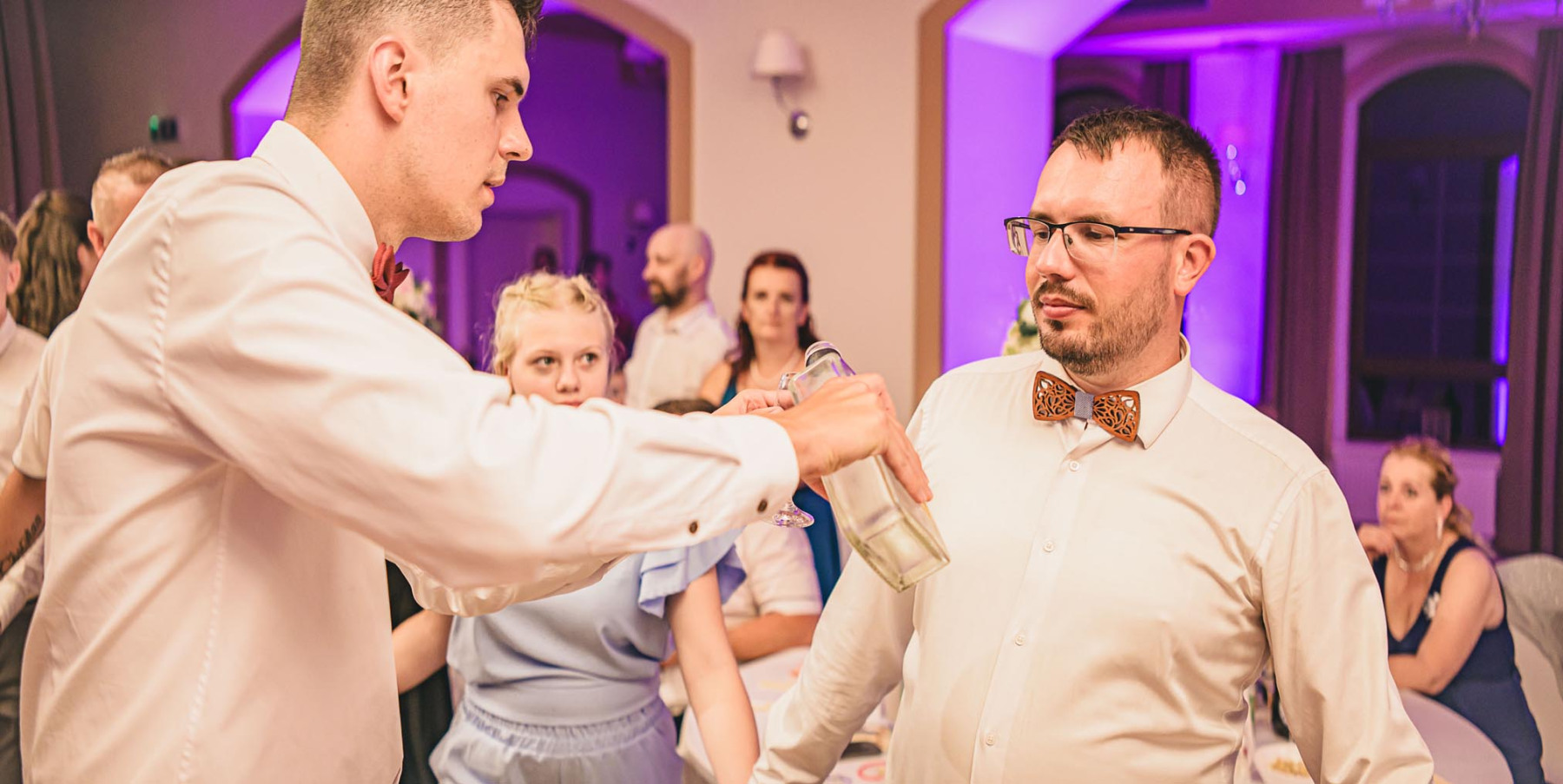
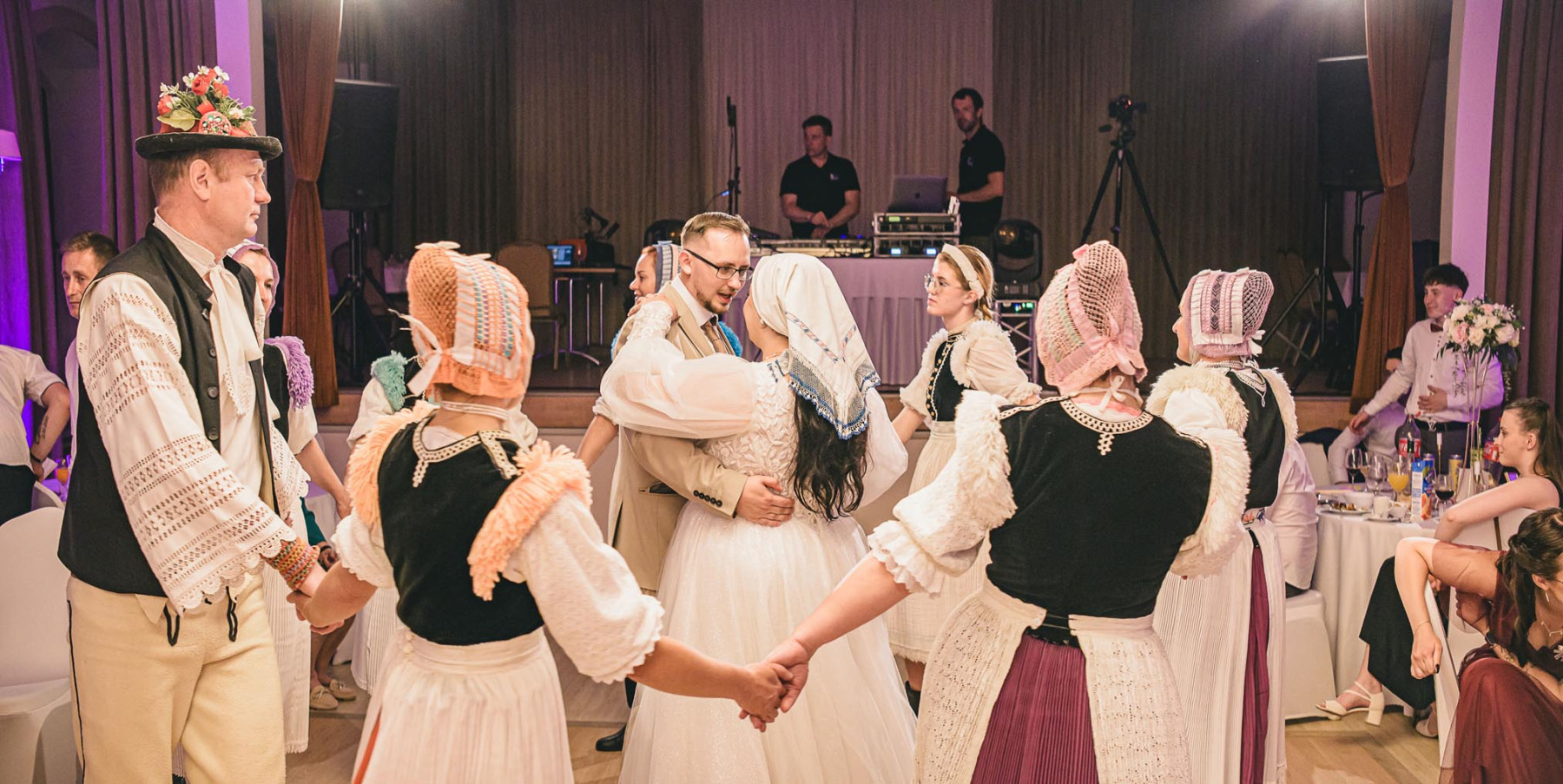
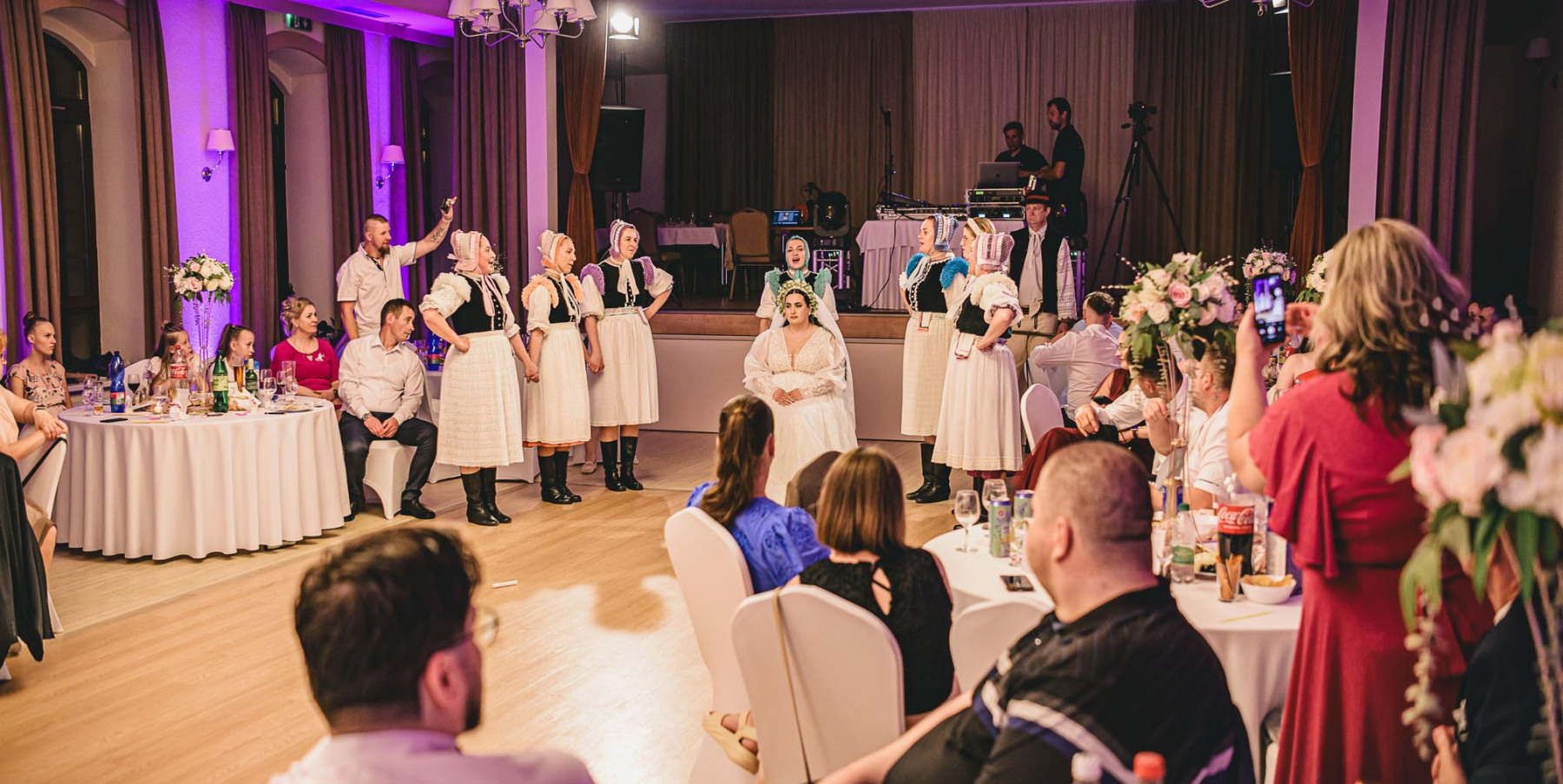
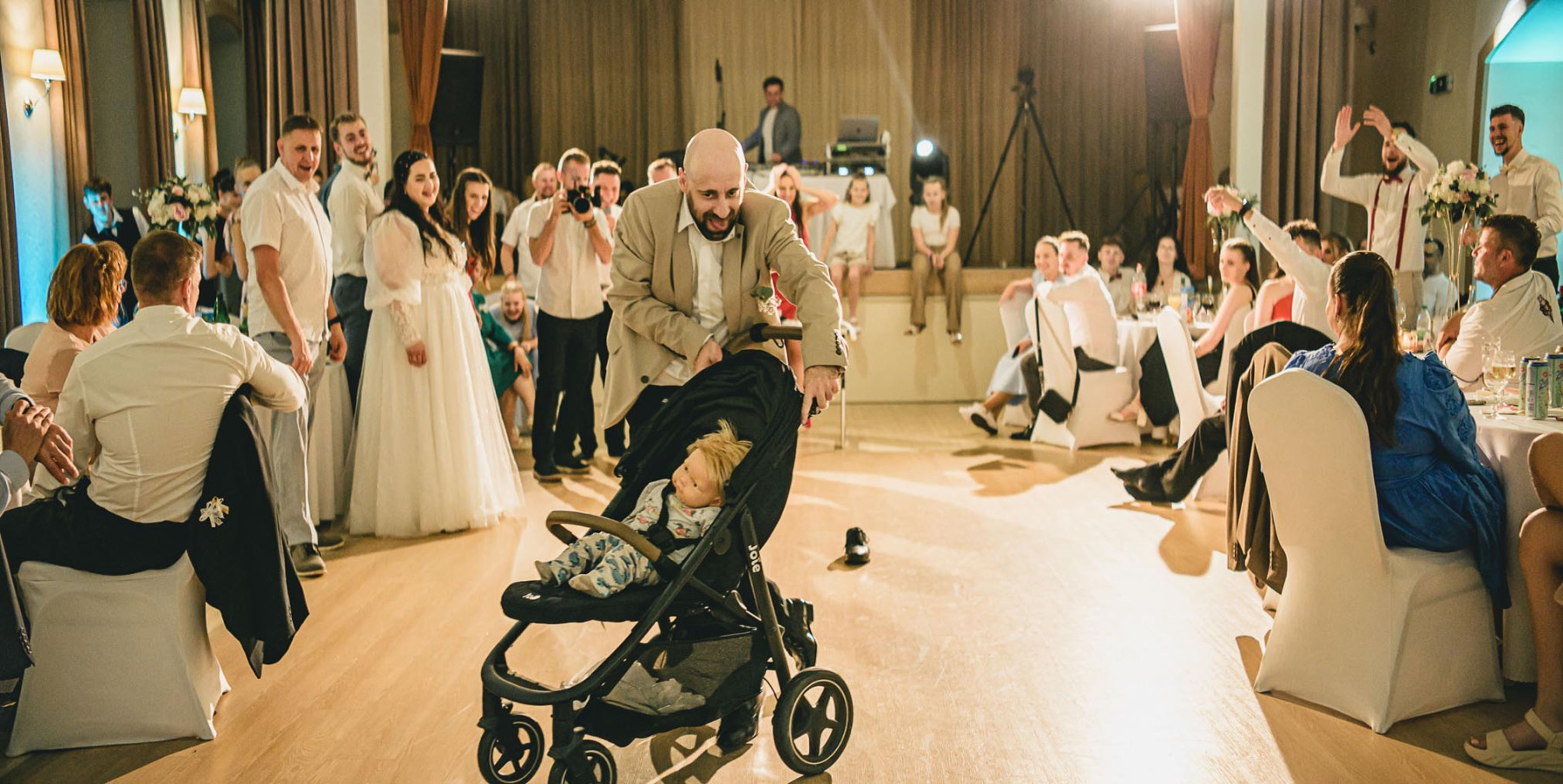
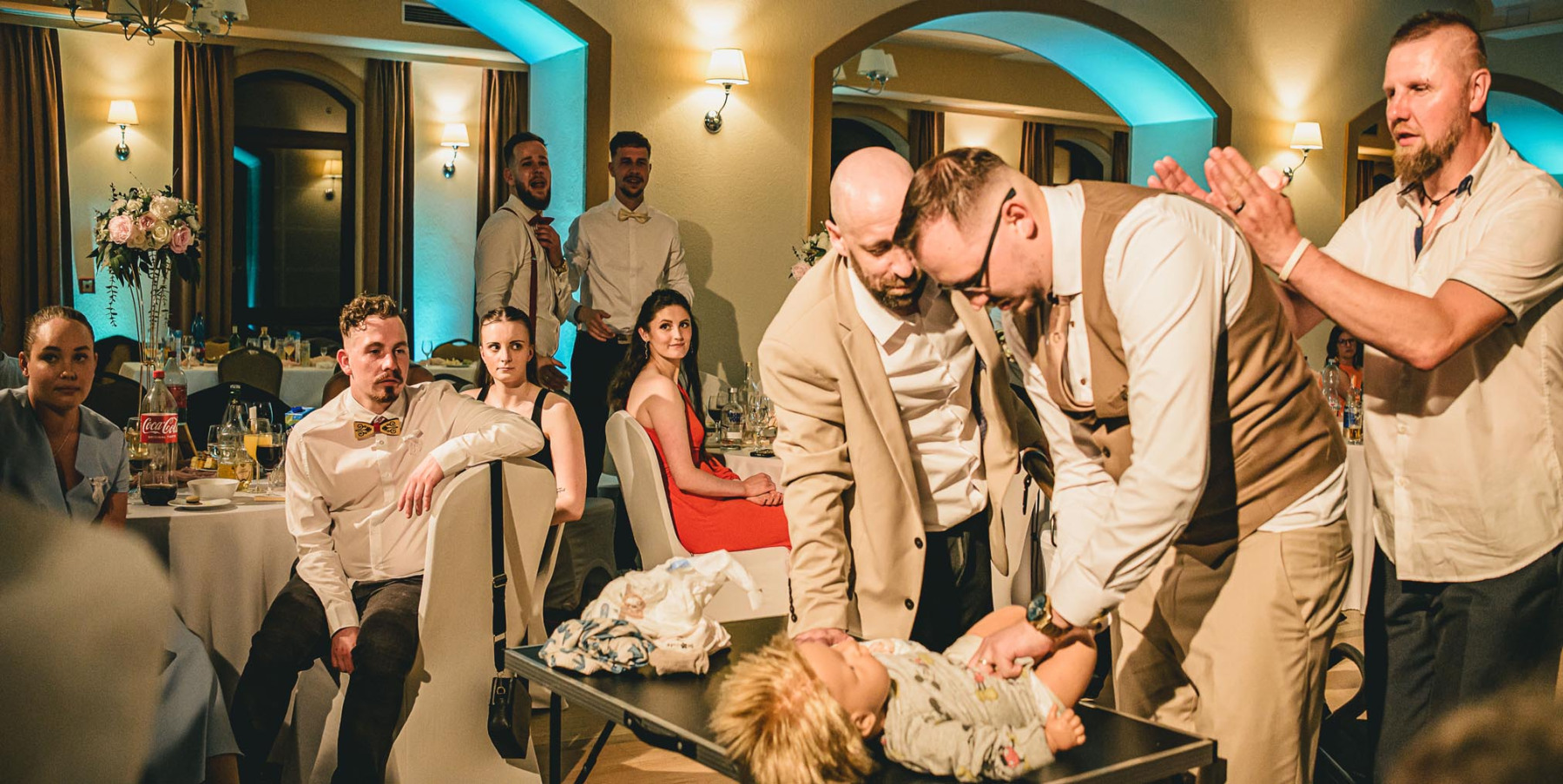
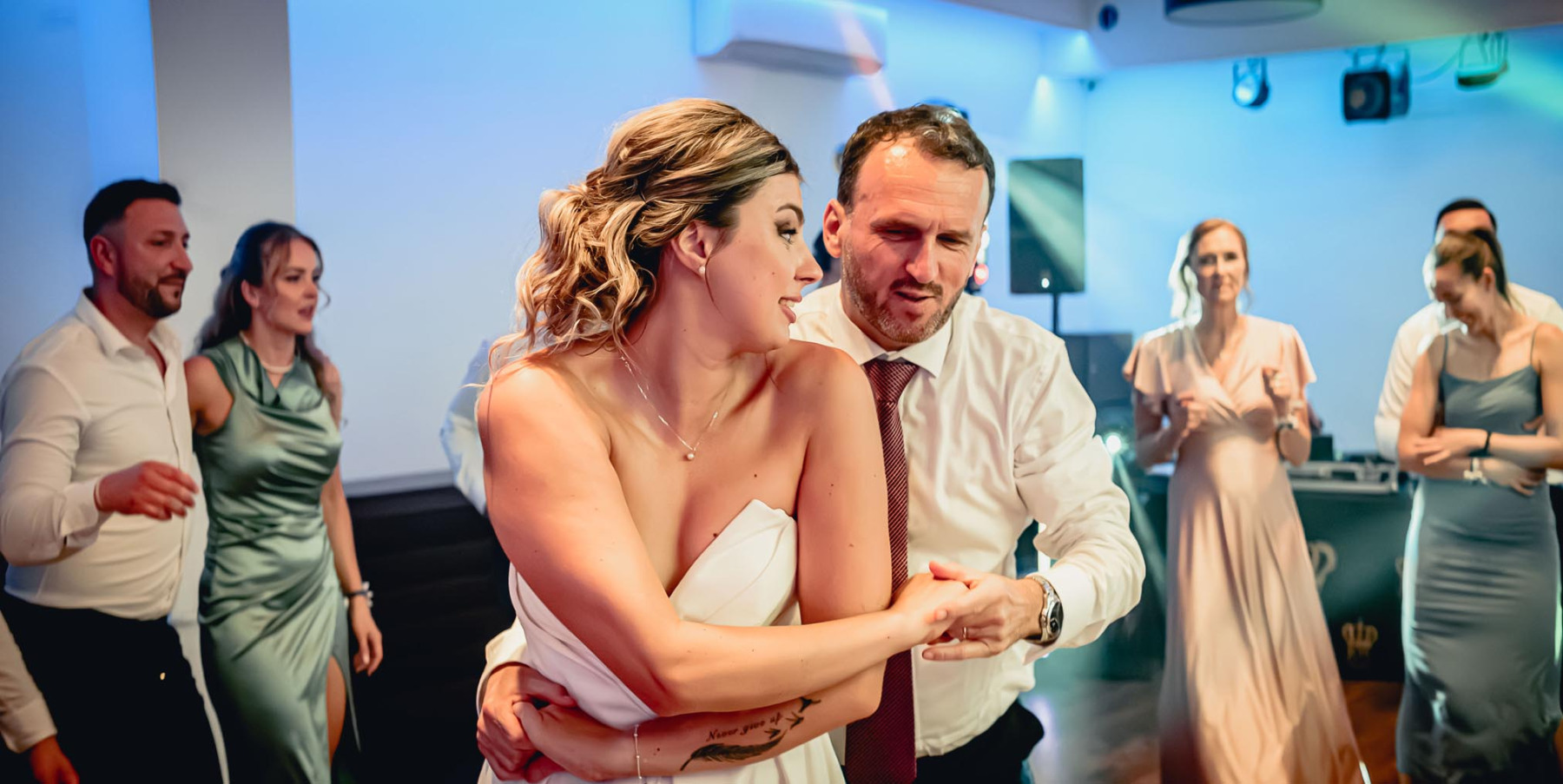
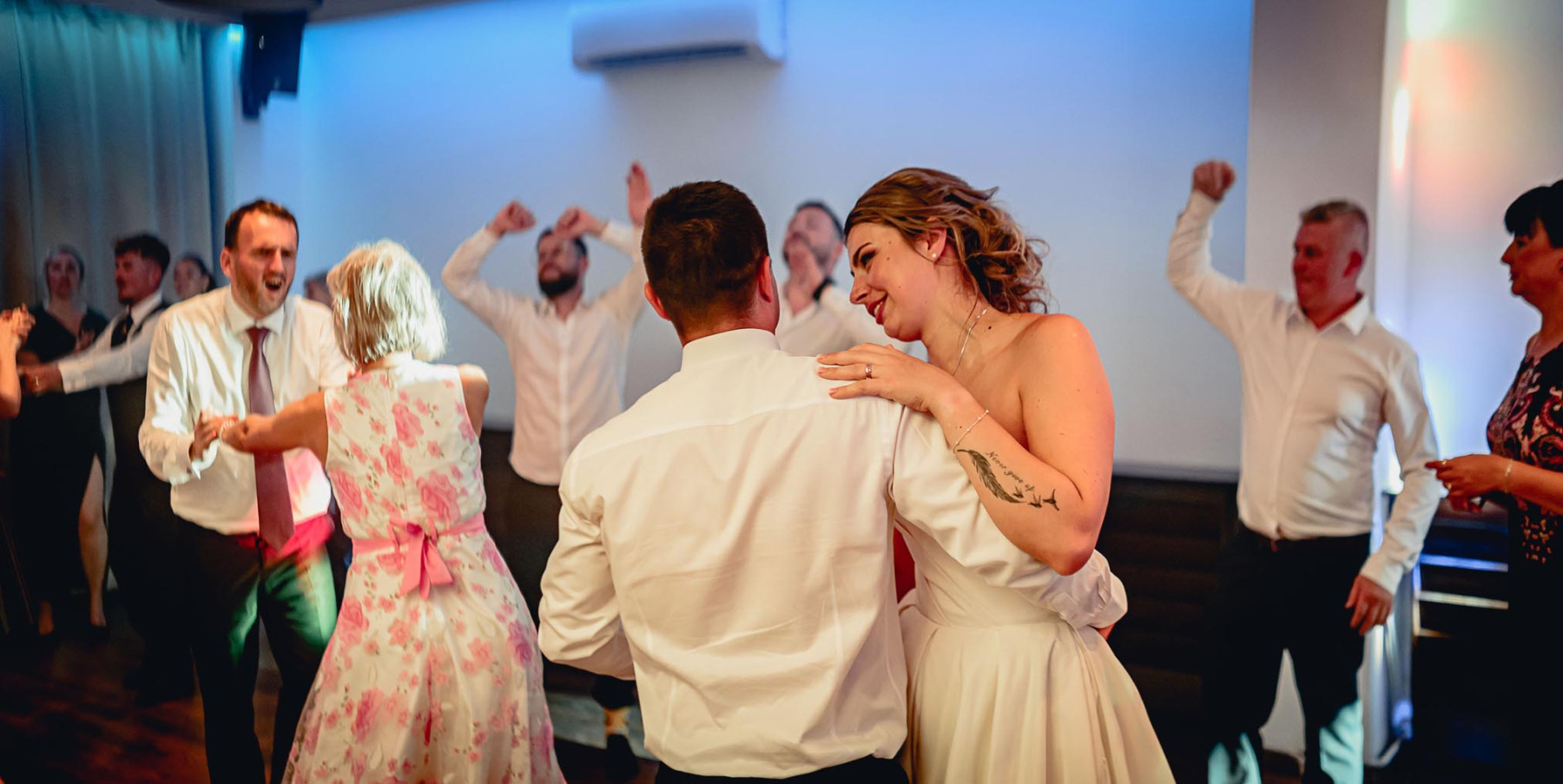
Imagine taking all these shots in a standard 3:2 format. You’d be forced to either crop out the sides or add dead space to the top and bottom. Either way, you strip away the magic, leaving behind a much more average, uninspiring image with noticeable quality loss. The true complexity and storytelling power of these photos rely heavily on that extra width. It gives context to the subject and creates the necessary space to let the image breathe.
Yes, as many of you asked on Reddit: is this something that can be valuable for customers? The short answer is no. I think most of them don’t even realize the images are not 3:2. And that’s not the point. If you are thinking only about the business side of using lenses like this, then don’t even try. The compromise in image quality, the complexity of use, and the need to overshoot just to grab the right image is not worth it from a business perspective.
But for me, the business side of photography is only a small part of the story. This is my passion, too, and I’m always trying to find new things. I’m chasing new ways and thinking about how to capture the story in the most interesting way. My goal is not just to give clients nice pictures. I want to tell their story in a way that will have precious value even after many, many years.
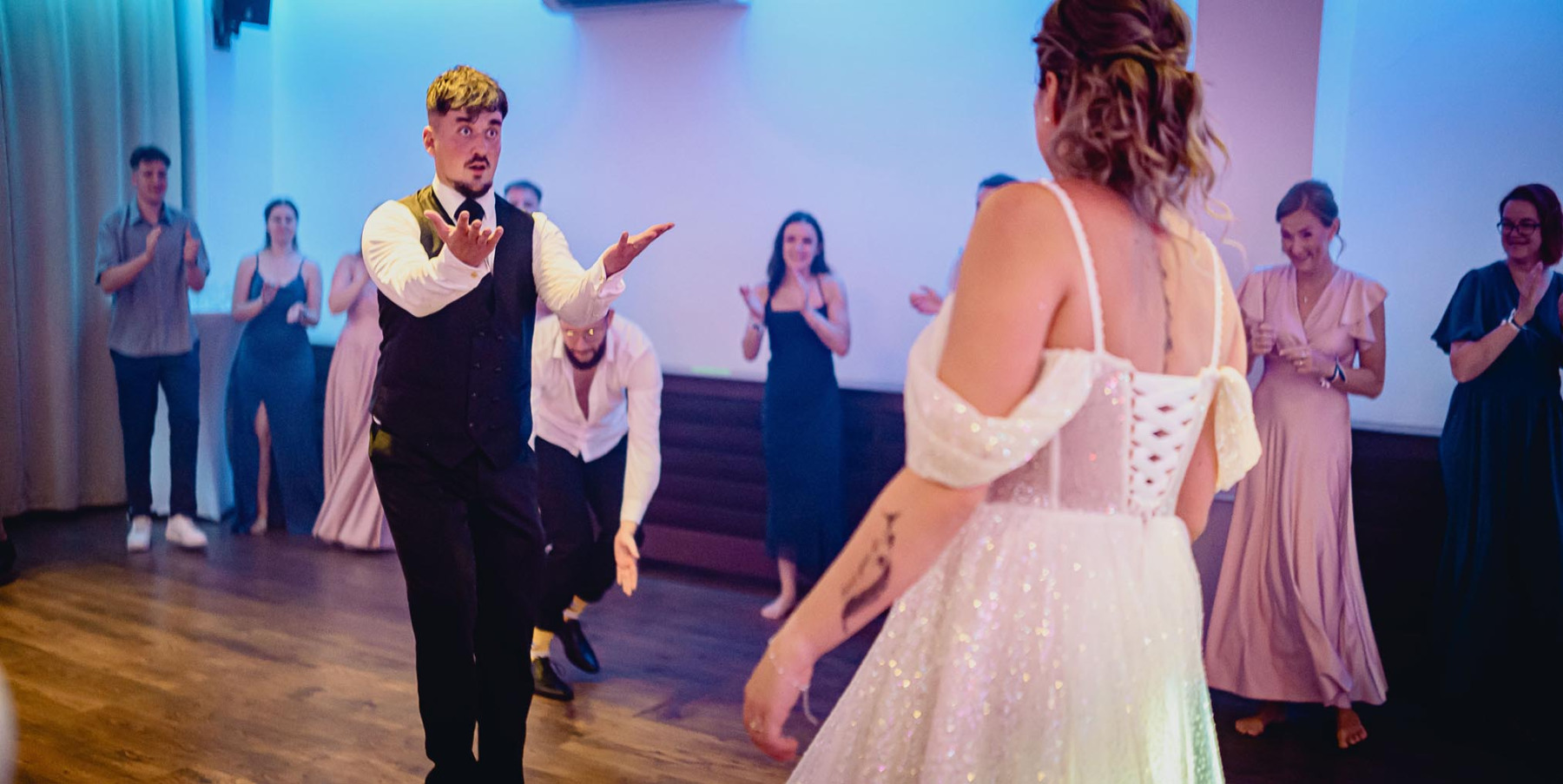
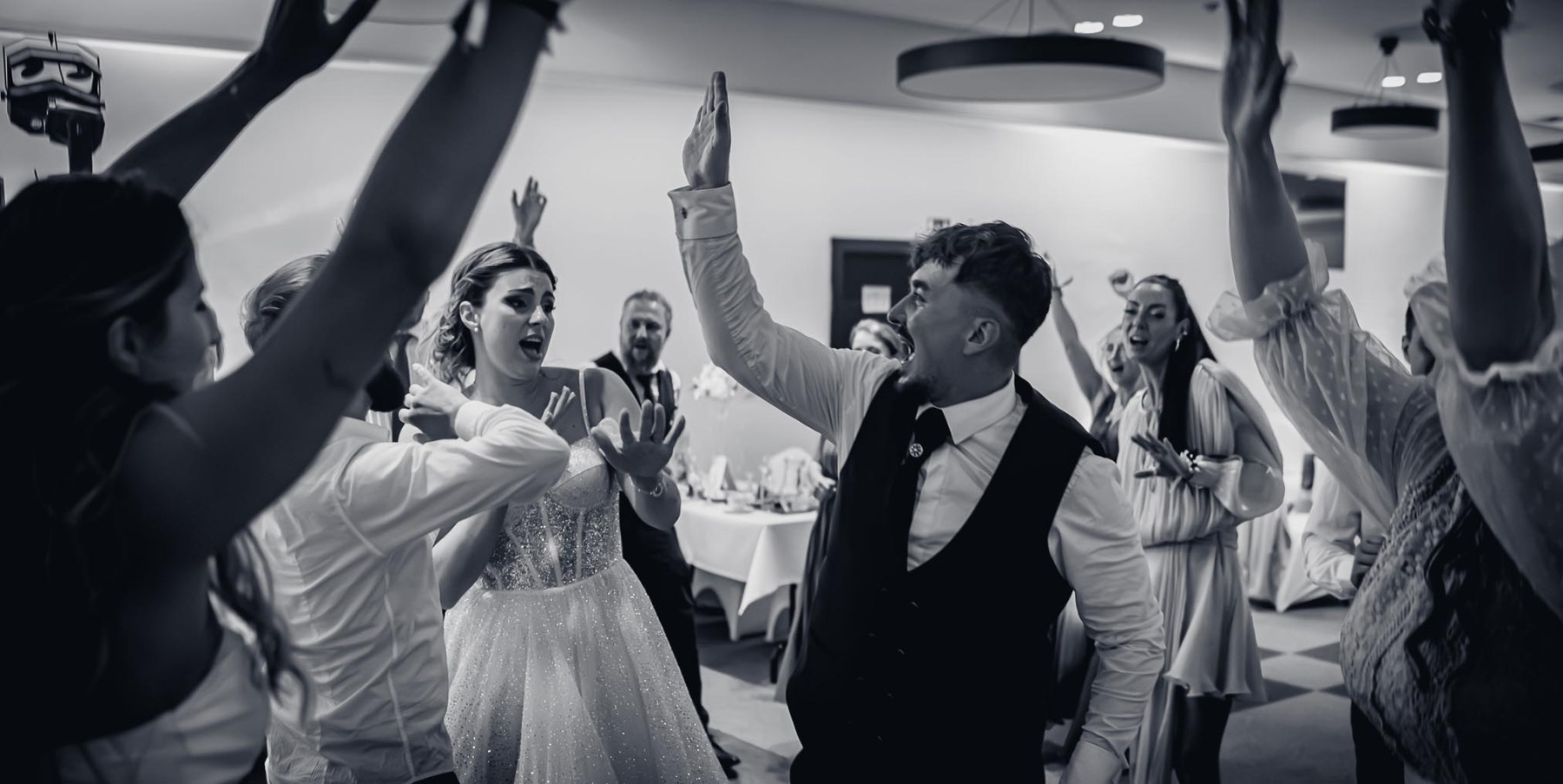
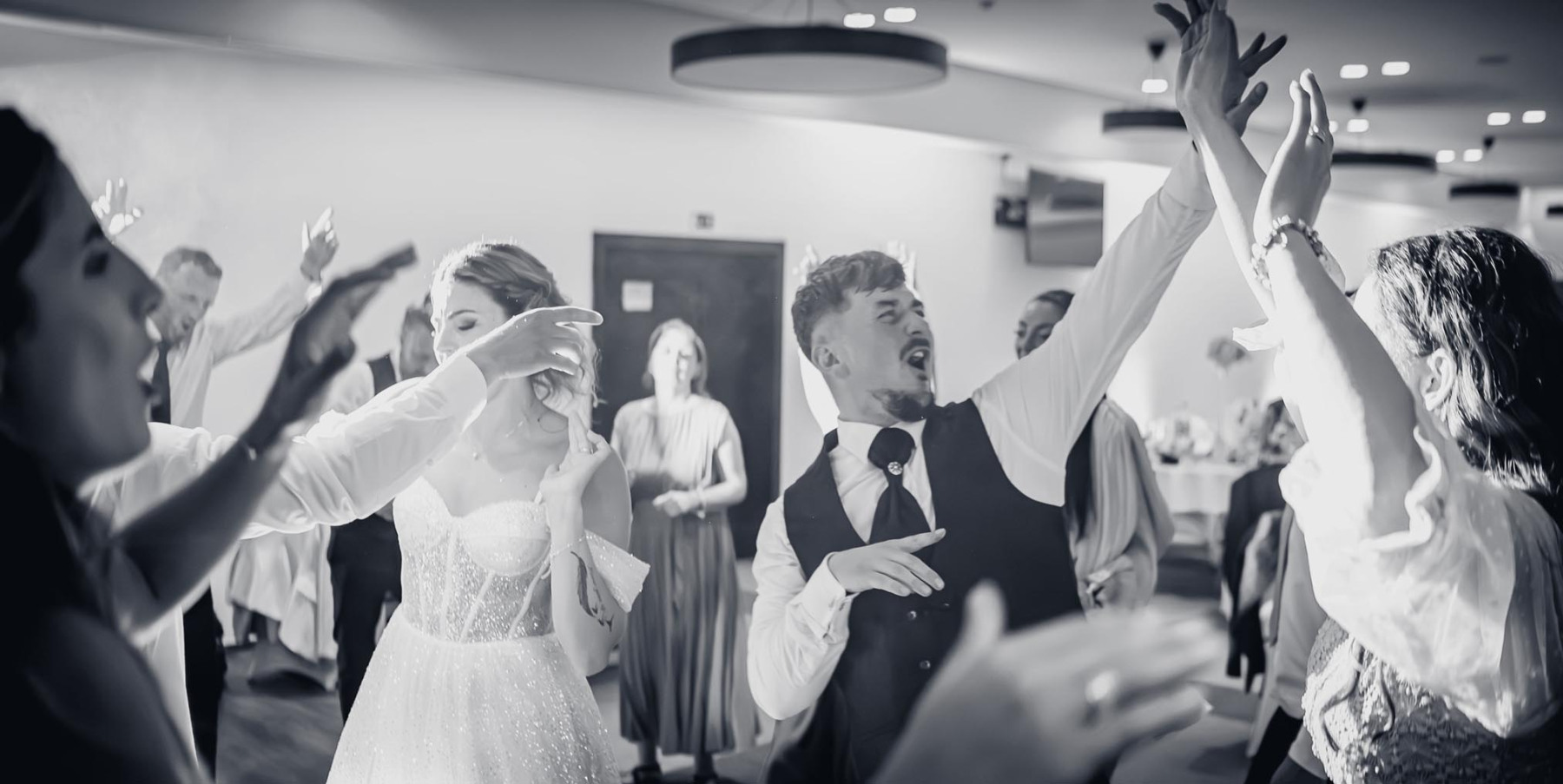
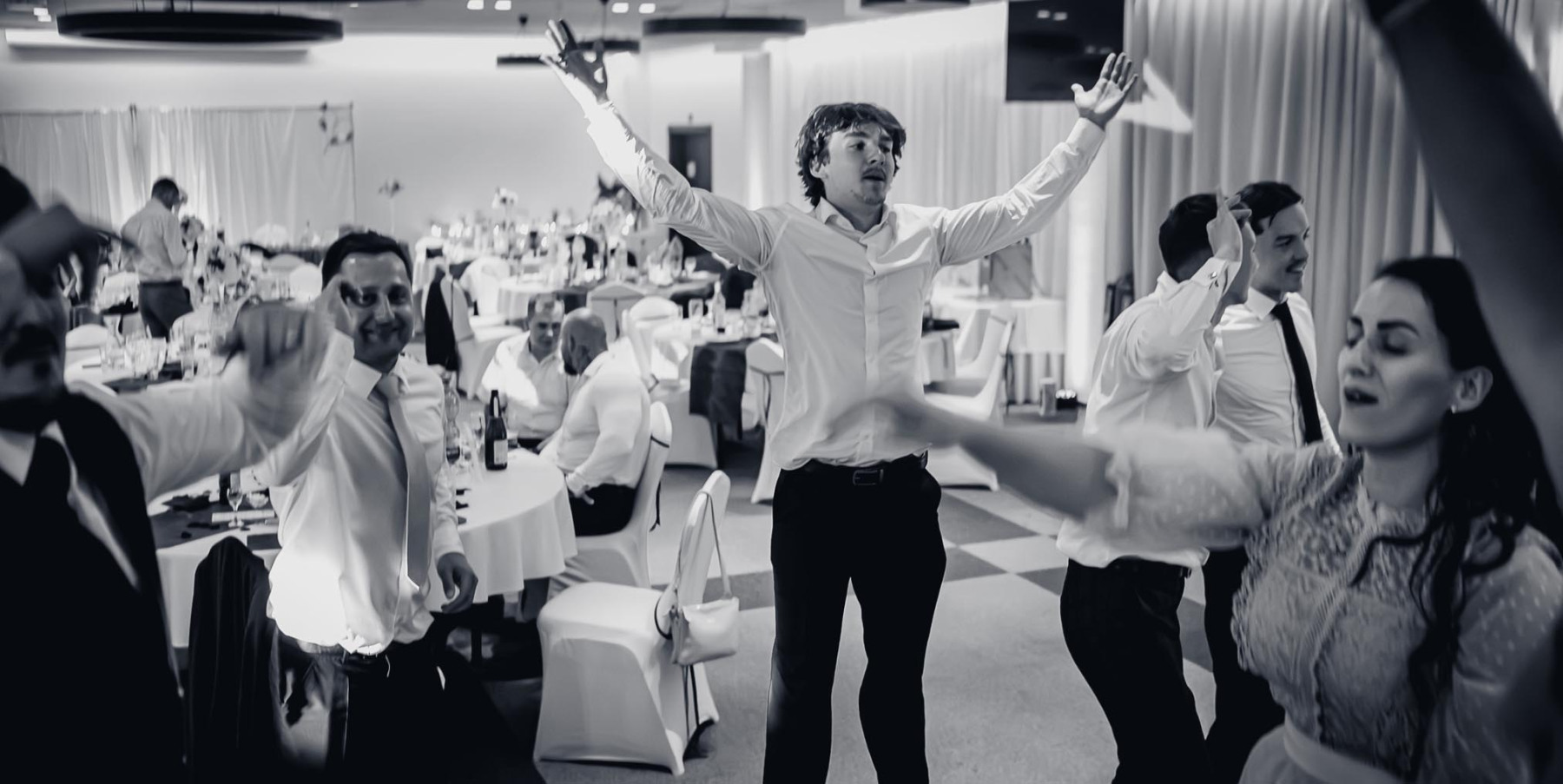
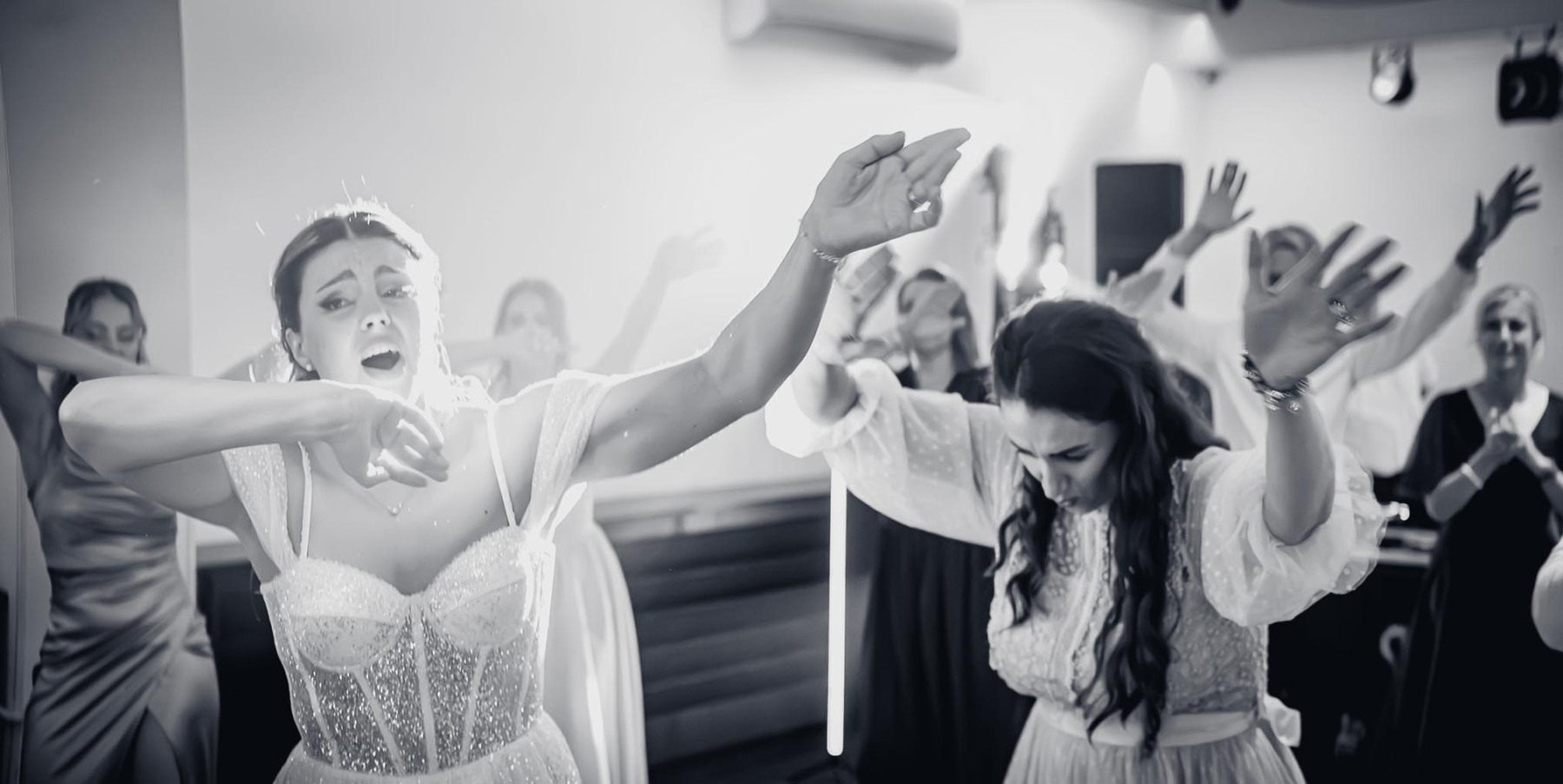
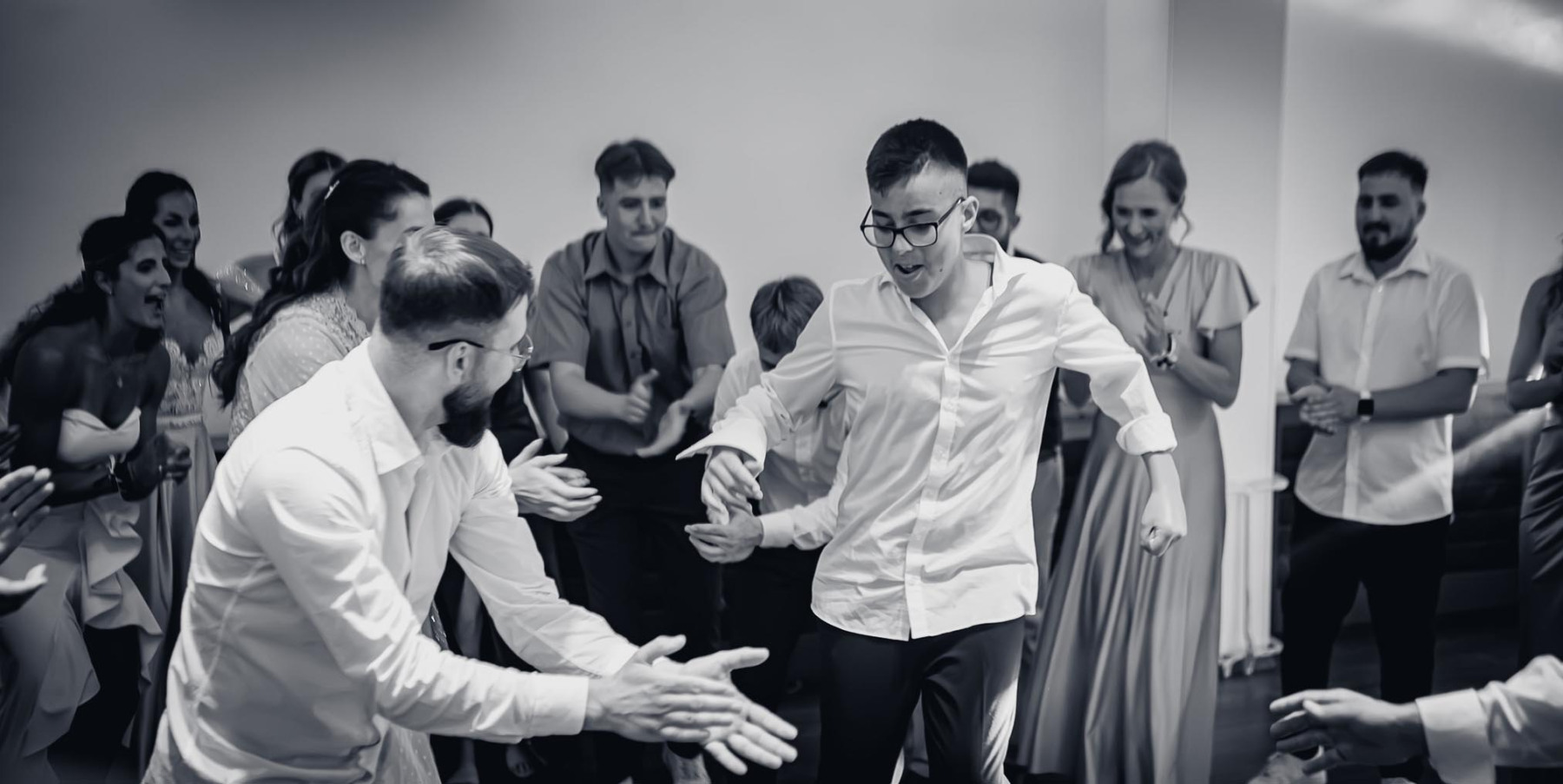
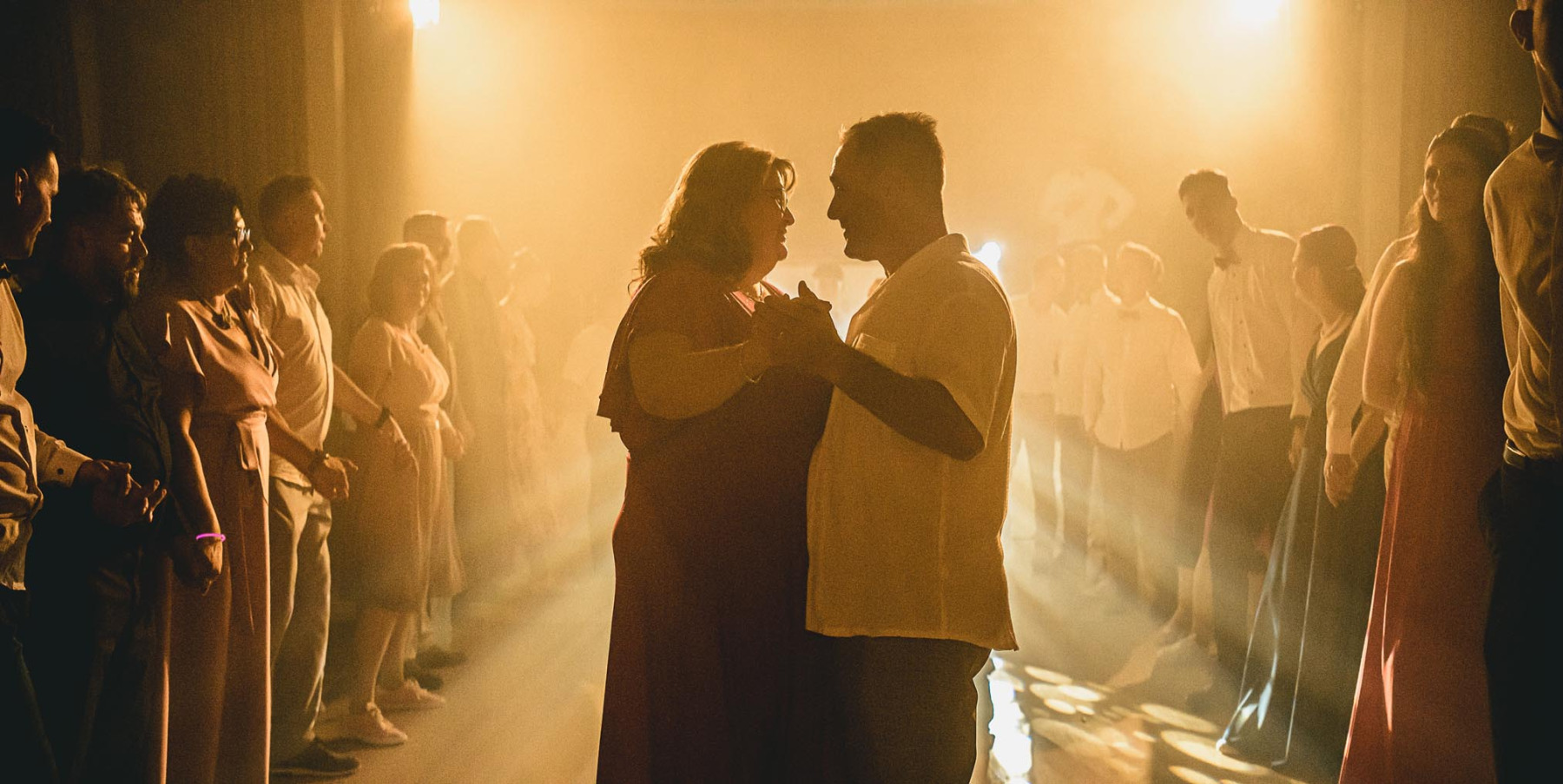
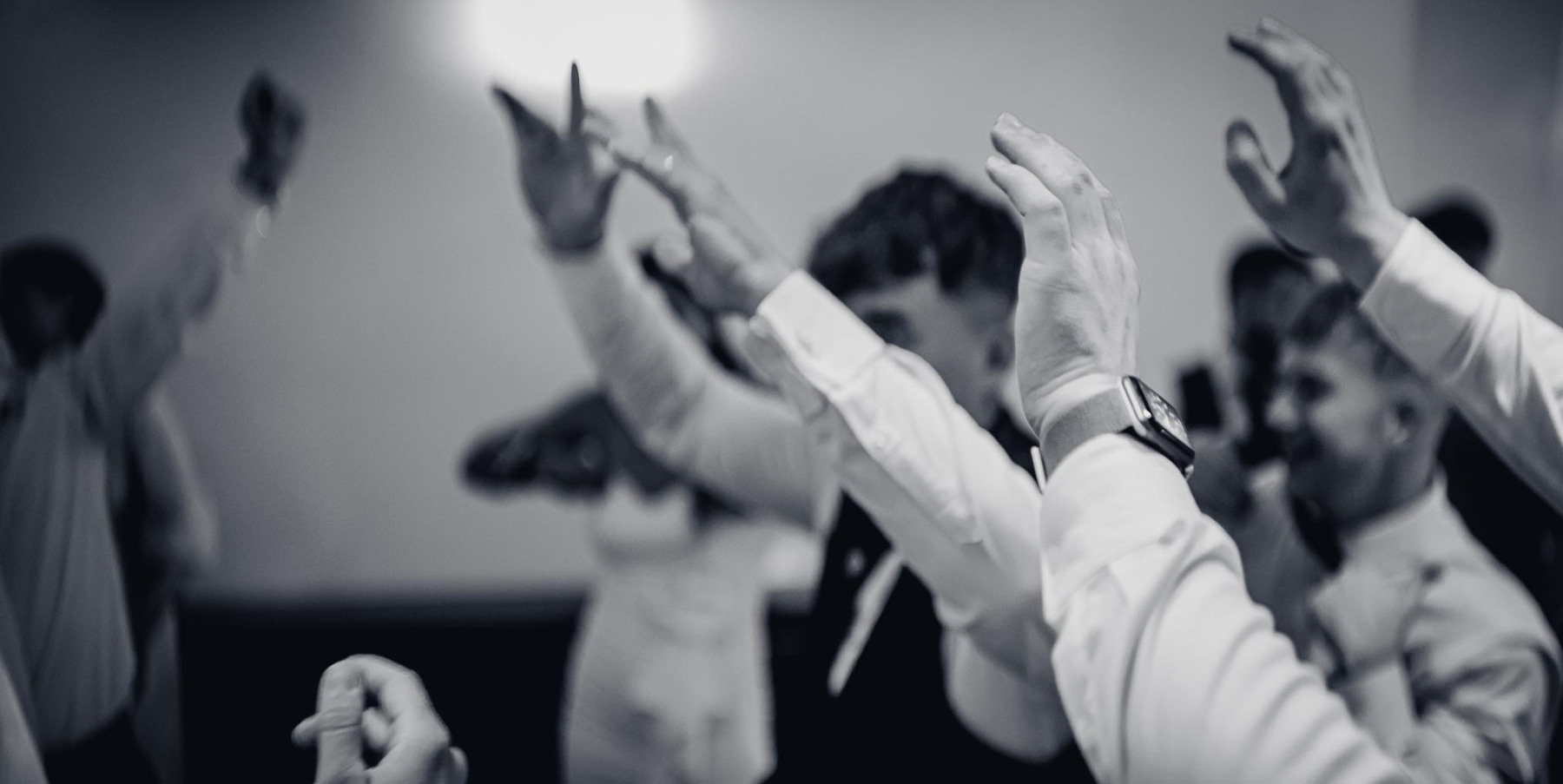
Pros:
- The 1.33x squeeze factor: Composing with this lens is surprisingly easy, even when looking at the squeezed image on the screen. You can easily visualize how the final, desqueezed image will look. Every filmmaker might smile at me for saying this, but only now have I truly realized how different it is to see the world this way. The photos can “breathe.” This aspect ratio provides a context to the composition that tells the story much better. Of course, you have to actively think in this format when composing, but it allows the story to “become whole.” Telling stories this way is a completely different feeling.
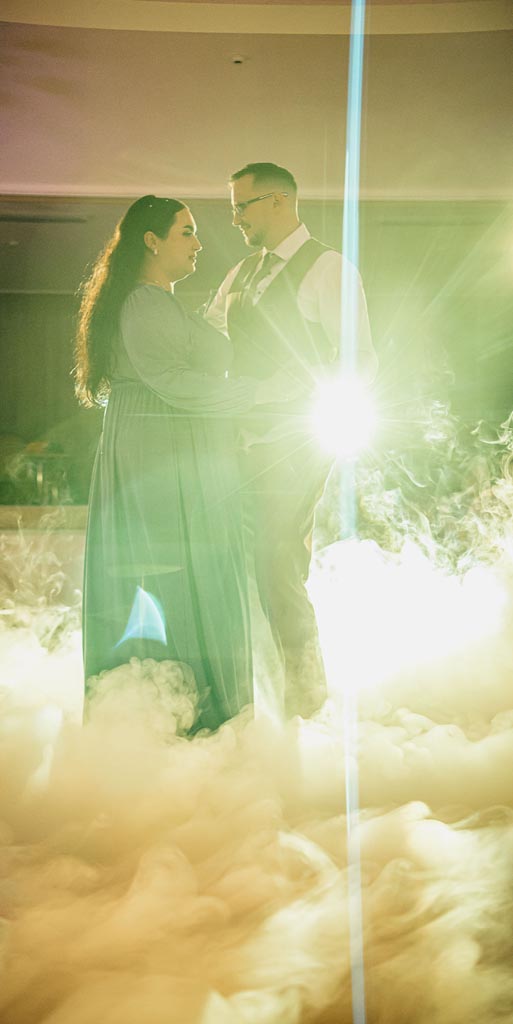
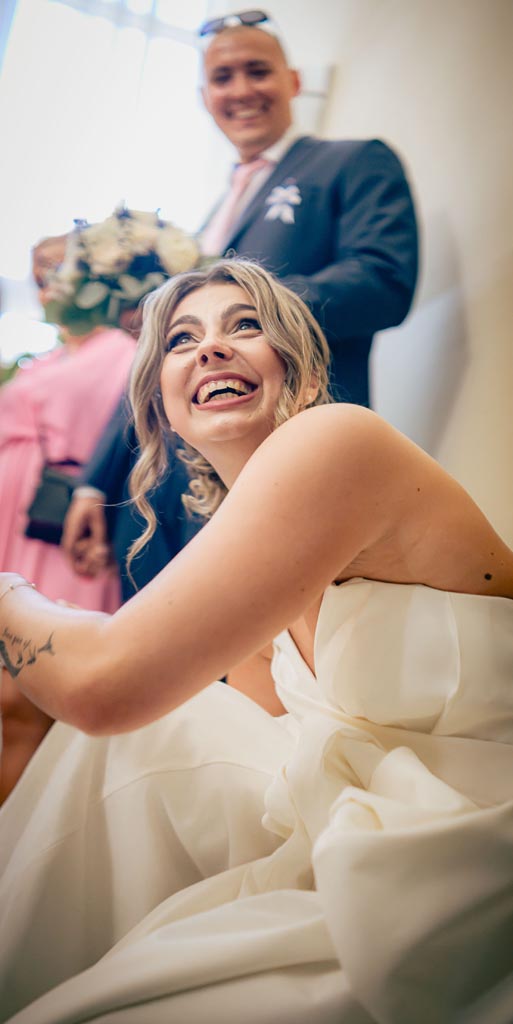
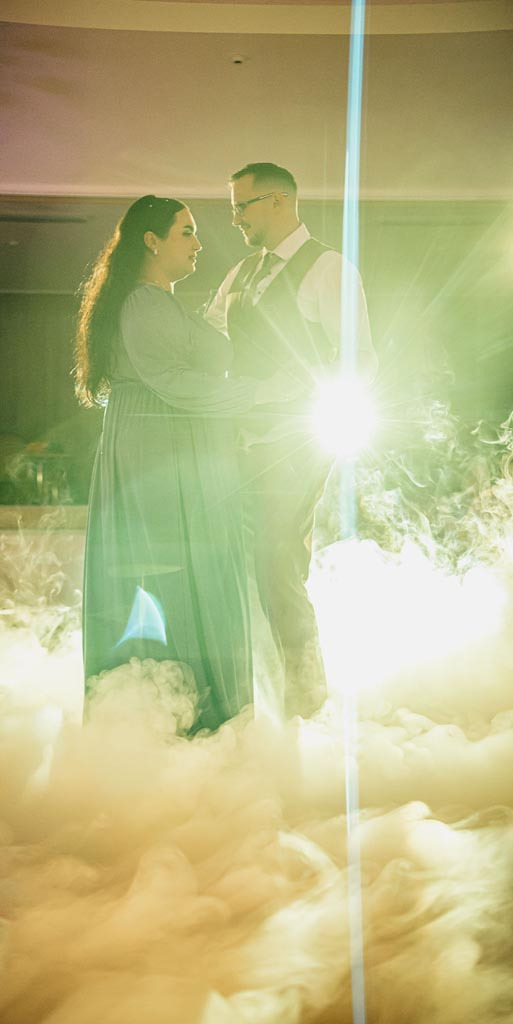
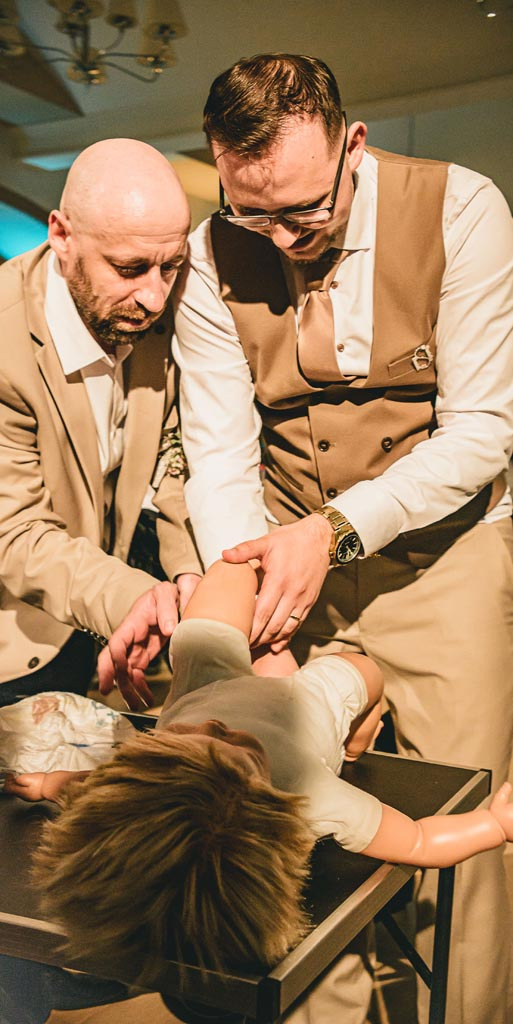
- Vertical shots work too: And no, this format isn’t just for horizontal shots. Yes, it’s only for very specific cases, but the stretched format can actually work beautifully in vertical orientation. It heavily relies on the unique nature of the scene, but the resulting image can be incredibly interesting—without the awkward “dead space” you usually see in standard vertical mobile photos. It requires you to change the way you normally think about vertical photography, but trust me, in that 0.1% of cases, it is absolutely worth it! 🙂
Cons:
- Autofocus is a pain: The camera’s autofocus really struggles with the squeezed image. It’s a real pain to force the camera to focus even approximately where I want it to. If you are looking for clinically sharp images, you will only find them at close distances, and only in the dead center of the frame.
- Client expectations: If your clients expect super-sharp, high micro-contrast, deeply detailed, and saturated photos (the kind they are used to seeing from modern smartphones), do not shoot their entire day with this lens. I only use it as a creative addition alongside my classic spherical lenses, and these photos make up only a small part of my final gallery.
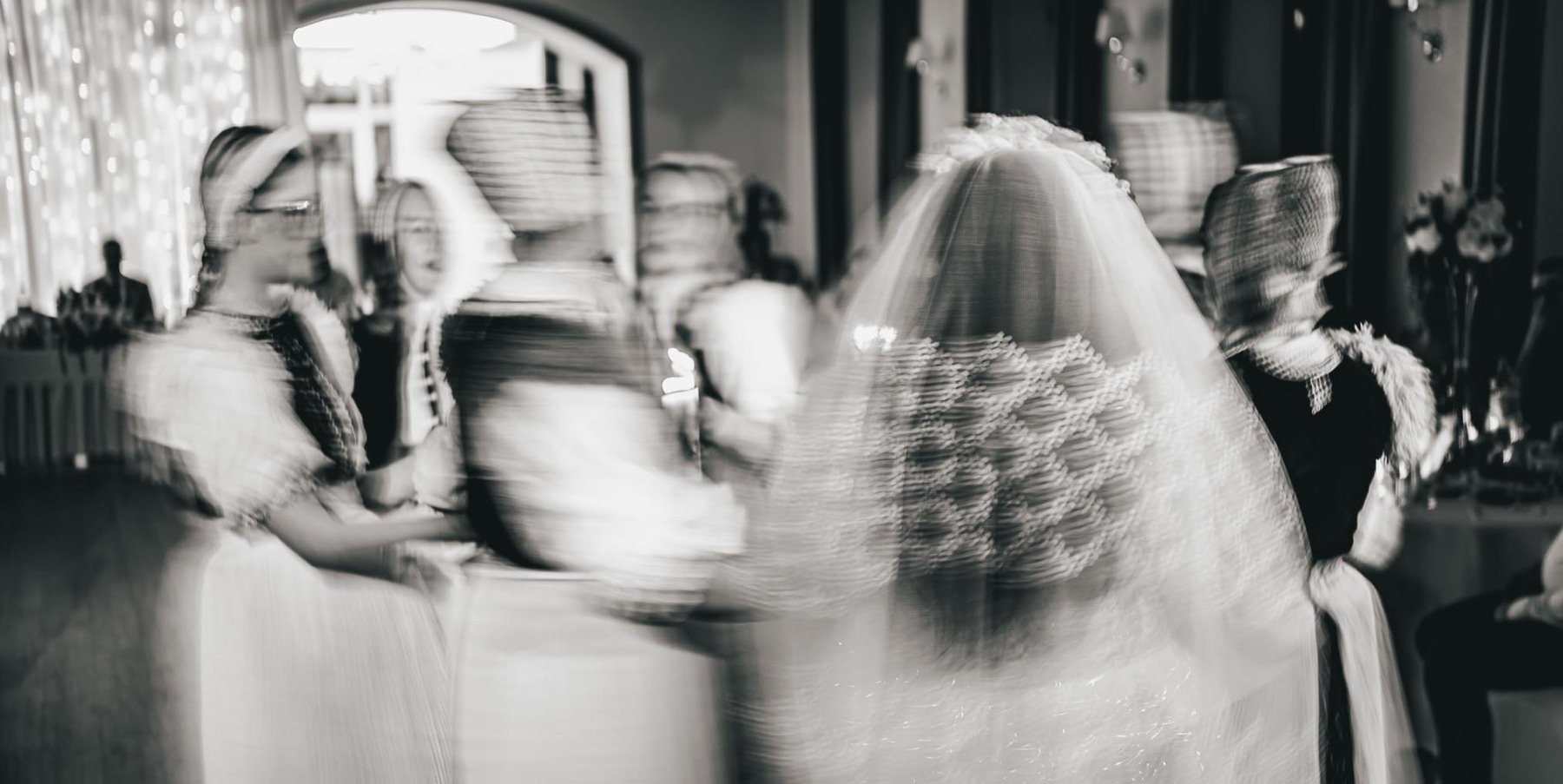
- Optical issues: When shooting into backlit scenes, the anamorphic flares can be very tricky. The image can turn foggy or milky very quickly, and the lens itself has a strong yellow-green tint. Of course, some of this can be corrected in post-production, but you definitely have to budget for this extra work.
- Printing problems: If you want to print these photos, you run into a wall. You either have to crop the image (destroying the whole point of the lens) or print non-standard wide crops. There are practically no standard photo albums or frames on the market for this aspect ratio.
Side note:
In my opinion, this wide format is no longer as shocking to people as it used to be, thanks to the cinematic widescreen photos and videos made by modern smartphones. Most people are already used to the fact that photos don’t only exist in a 3:2 ratio.
Conclusion:
For now, I absolutely love it! Of course, this is probably partly due to the “novelty effect,” but this visual world has genuinely changed the way I look at my photos. I feel the storytelling power of the images much more deeply; the story I tell feels more complete for the viewer. But how much of this does the client actually notice?… Well, that is a good question.
My final words:
As you can see, in terms of pure image quality and “fine art” perspective, you will find mostly average photos in this gallery. None of them are meant for photography contests, and this article isn’t written to impress other photographers. It is about my passion to serve my clients and give them a meaningful memory of one of the most important days of their lives.
My approach to photography is not about creating “magic art”—I want to tell their story in the most detailed and meaningful way possible. If their kids or grandkids open their parents’ wedding gallery years from now, I want them to see exactly how it was, who was there, and how they felt on that special day. I think one of the most beautiful things a kid or grandkid could say while looking at these photos is: “You guys were so cool, I wish I could have been there…”